From connected devices to practical equipment, start with the component and the job it needs to do. Explore application-specific part ideas, material considerations and manufacturing routes.
Choose an industry to explore typical parts, design priorities, material options and sample checks.
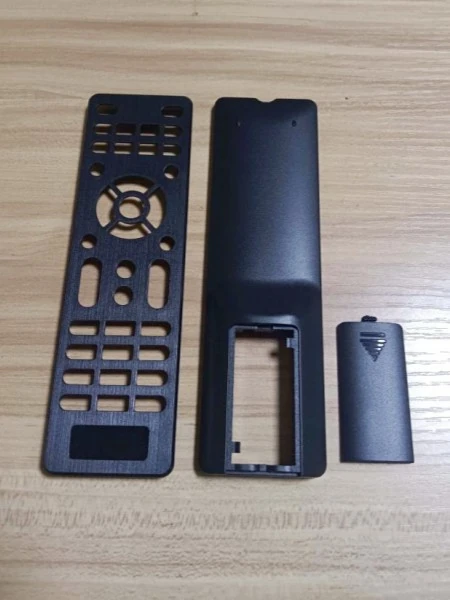
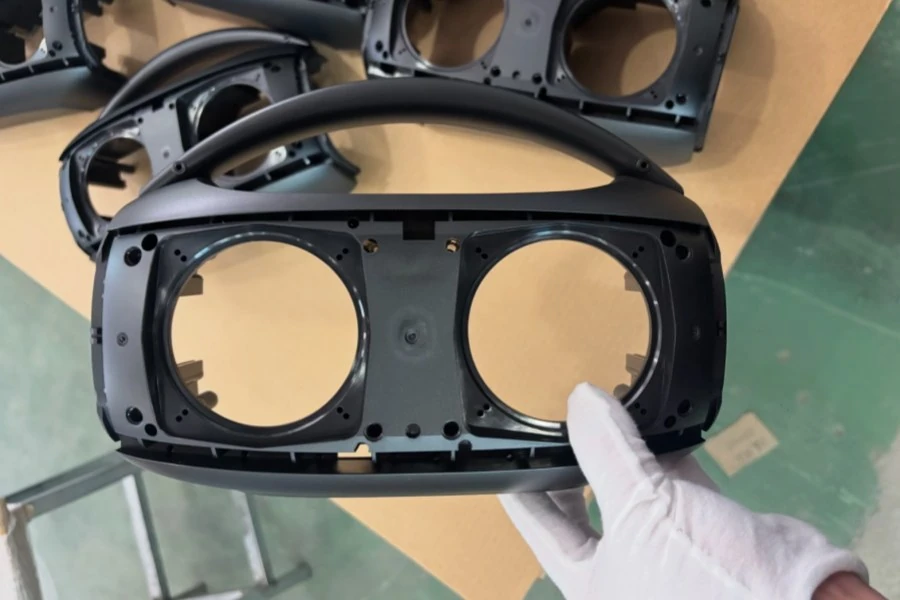
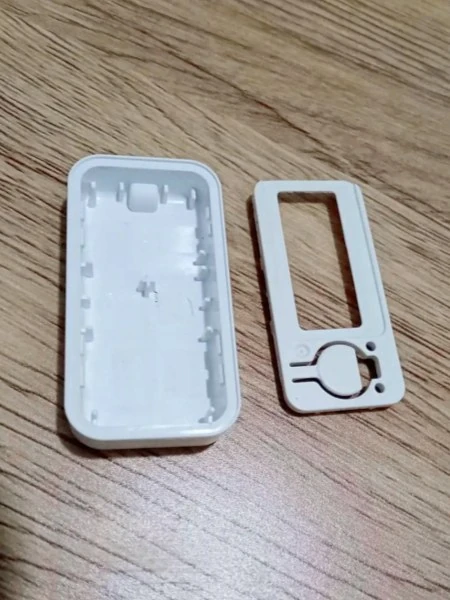
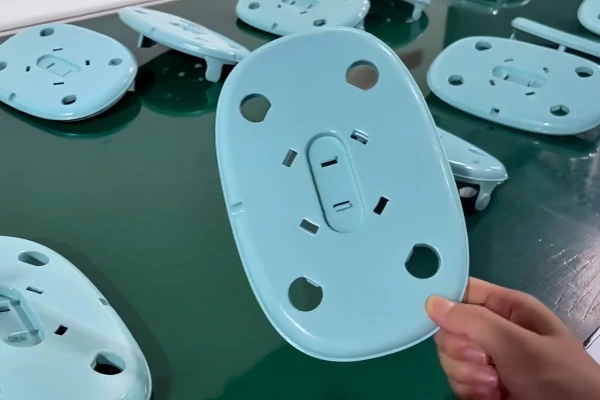
Custom housings, handheld shells and components planned around electronics, assembly and appearance.
Camera shells, access-control covers and sensor housings planned around mounting, component clearance and the surfaces exposed in use.
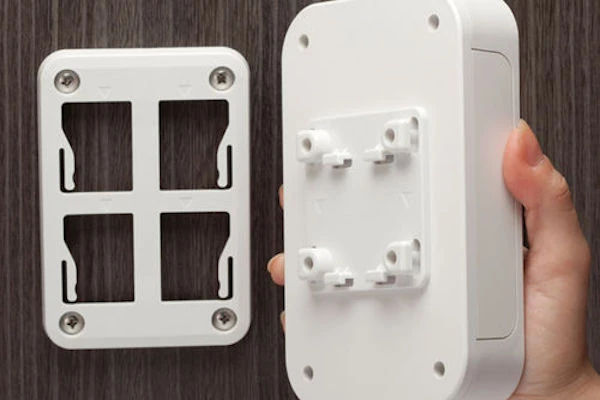
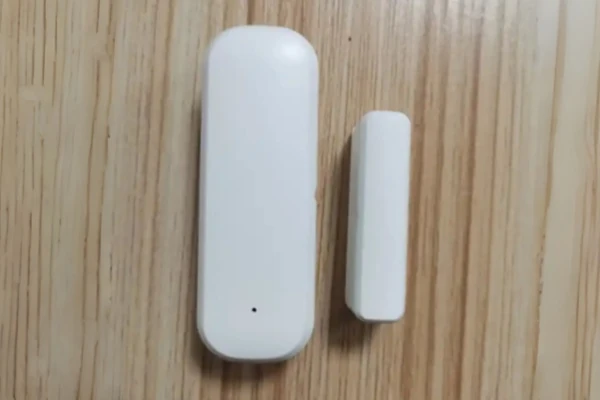
Connected-device housings, switch frames and control panels that bring internal components and everyday interfaces together.
Speaker shells, headphone components and charging-case parts with a coordinated approach to geometry, assembly and appearance.
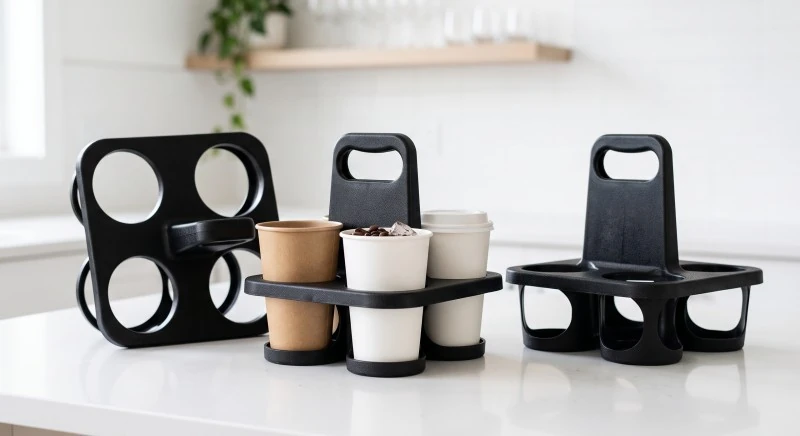
Protective cases, organizing trays, inserts and handling details designed around what they carry and how they are used.
Control enclosures, tool housings, brackets and connector supports developed around assembly and the operating environment.
Handheld cases, display bezels, sensor covers and small functional parts with attention to location, access and fit.
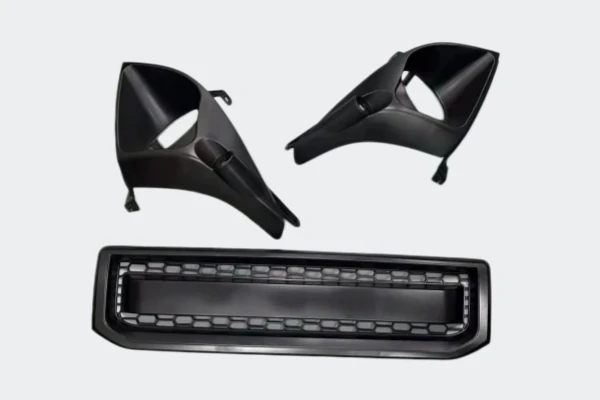
Interior trim, control surrounds, clips and support components planned around the vehicle assembly brief and required validation.
Appliance covers, control panels, handles and small fittings with material and appearance choices tied to everyday use.
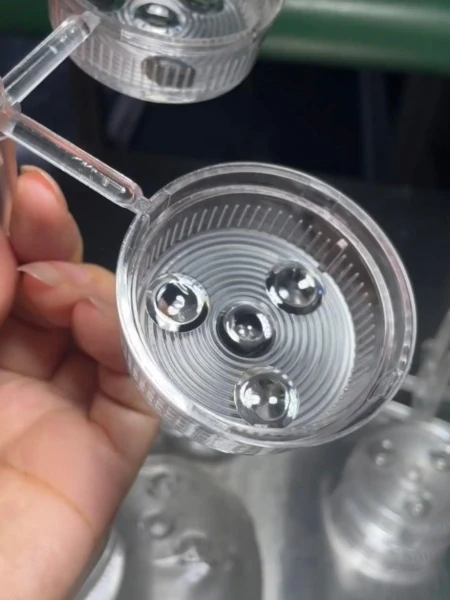
Diffusers, clear covers, light bodies and retaining details developed around optical, mounting and operating requirements.
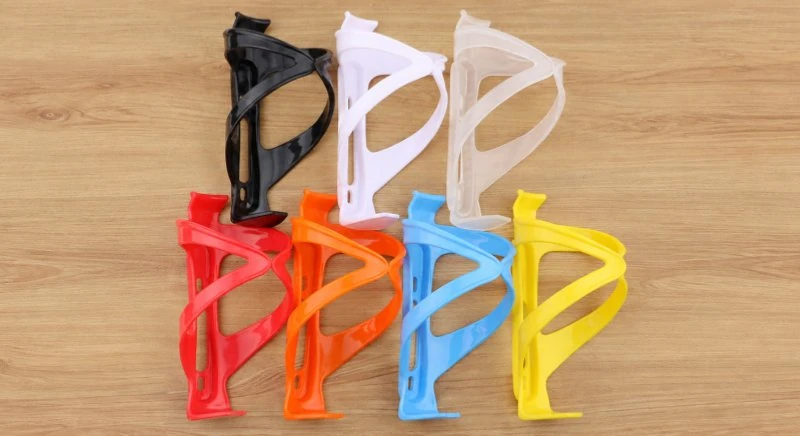
Accessory mounts, housings, grips and fastening details with the environment and handling conditions in view.
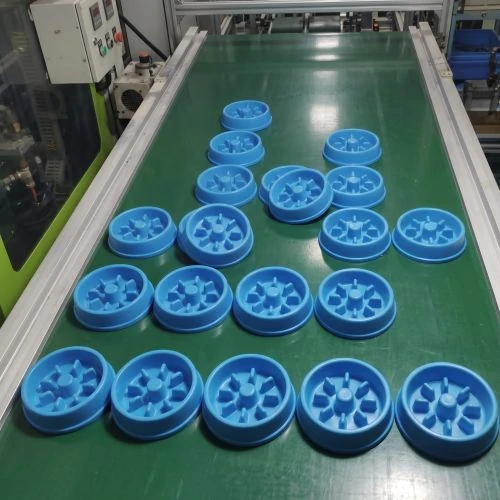
Feeder housings, care accessories, trays and connected-device covers developed around handling, cleaning and assembly.
Describe the use, loads and working environment before reviewing the shape.
Identify the mounting, joining and mating features that control the fit.
Provide color, texture and marking references for visible faces.
Agree on critical dimensions, sample references and required validation.
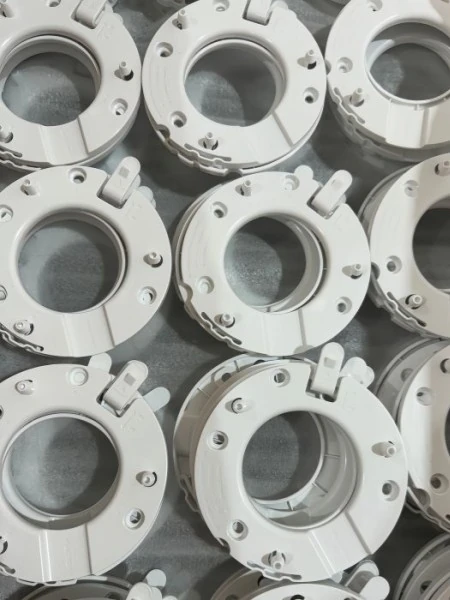
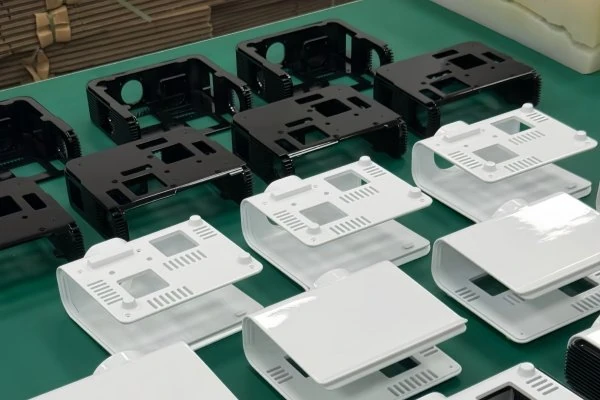
Custom plastic parts built around your design. A connected route from material selection and production tooling to approved samples and repeatable supply.
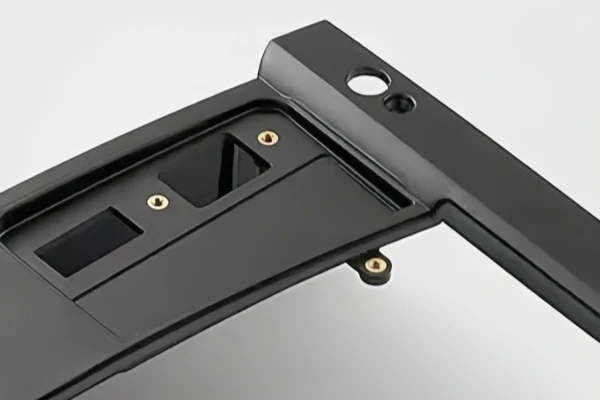
Bring metal strength and plastic design freedom together. Mold threaded inserts, pins and contacts into a component designed for its final assembly.
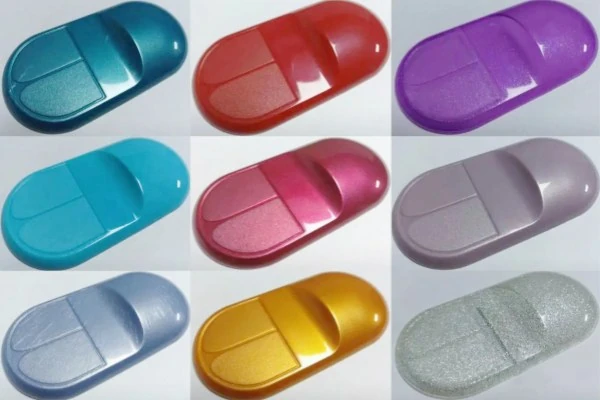
Give your plastic component its intended appearance. Coordinate selected surface treatments, color and marking with the resin, part design and final application.
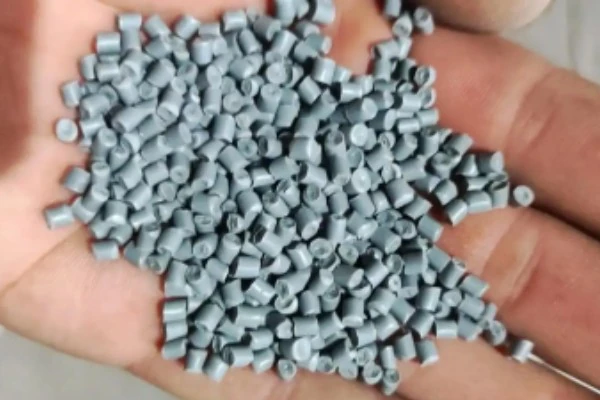
Handling, heat, chemicals, outdoor exposure and appearance all inform the selection. Explore concise guides to 11 material families, then review the actual grade against the component requirements.
Yes. Send the drawing and describe how the component is used. The industry list is a starting point; suitability follows the part and project requirements.
Share the operating conditions, critical interfaces and desired appearance. Candidate materials can then be compared at grade level.
Provide drawings or 3D files, target quantity, timing, material preferences and any required finish, inspection or validation details.
Share the application, drawing and project requirements with our team.