Precision parts. Reliable partnerships. Global possibilities.
MULTIPLE CAVITIES & CONSISTENT OUTPUT

Multi Cavity Molding

Produce repeated components through a planned shared molding cycle. Match cavity count, material flow and inspection to your part and production demand.

Shared Mold Cycle

Multiple parts per cycle

Balanced Layout

Flow and cooling considered

Volume Focused

Cavities matched to demand

PP Cosmetic Bottle Cap
OVERVIEW

What Is Multi Cavity Molding?

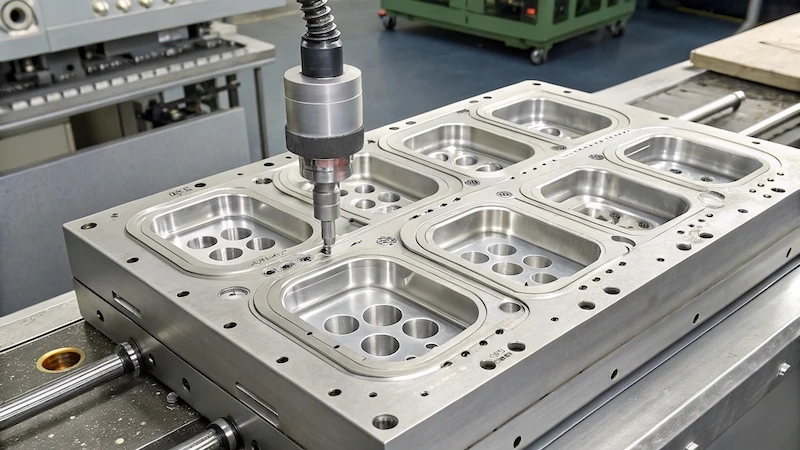
Multi-cavity molding produces several instances of a part during one molding cycle. The number and layout of cavities depend on part geometry, resin behavior, quality targets and demand. Haixiang can review these inputs before proposing a tool concept and production plan.

Several parts formed in one mold cycle

Cavity count tied to demand and geometry

Sample checks compare consistency across cavities

multi cavity mold
EXPLORE THE POSSIBILITIES

Repeated Parts. A Coordinated Tool.

Match cavity planning to the component, demand and the consistency the assembly needs.

PP Cosmetic Bottle Cap
01 / REPEATED COMPONENTS

Plan around recurring demand.

Assess cavity count alongside the part geometry, material and intended production volume.

multi cavity mold
02 / TOOL LAYOUT

Consider the complete cycle.

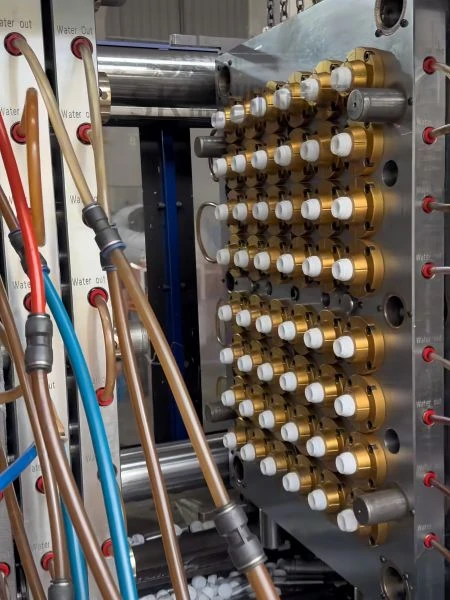
Review filling, cooling and part handling as connected decisions within the tool concept.

plastic bottle caps manufacturing with multi cavity mold
03 / CAVITY COMPARISON

Check each source of the part.

Define how samples from individual cavities will be compared against the agreed criteria.

multi cavity mold
01 / CAVITY PLANNING

Connect the number of cavities to the production need.

A multi-cavity tool forms repeated components within a molding cycle. Start with the part, material and expected demand so the cavity approach can be assessed as part of the complete production route.

Demand and order pattern

Share the expected order quantities and repeat demand. The useful cavity concept depends on the production brief as well as the size and complexity of the part.

Part geometry

Review wall layout, molded features and release requirements. The chosen part design needs to work consistently across the repeated cavities.

Tool layout

Discuss cavity arrangement alongside filling, cooling and handling. A cavity count alone does not describe how the complete tool will perform.

02 / REPEATED COMPONENTS

Treat consistency as a cavity-level requirement.

Parts from the same tool must still satisfy the same drawing and assembly requirements. Define which dimensions and appearance features need comparison across individual cavities.

Filling and cooling review

Consider the routes to each cavity and the cooling requirements of the repeated parts. These decisions should be reviewed with the chosen resin and component geometry.

Critical features

Identify the dimensions that control fit or function. A clear list of important features helps focus sampling and comparison across the tool.

Identification and handling

Discuss cavity identification where required and how parts will be grouped. Include any sorting, packing or assembly-set requirements in the brief.

PP Cosmetic Bottle Cap
plastic bottle caps manufacturing with multi cavity mold
03 / CAVITY-LEVEL APPROVAL

Compare samples before confirming repeat supply.

A useful sample review makes it clear which parts came from which cavity. Agree on the checking method and acceptance criteria before the tool is released for regular production.

Sample by cavity

Review a defined set of samples from each source. Compare dimensions, appearance and functional features against the same drawing and agreed references.

Assembly checks

Check the features that matter to the final product, using mating components or relevant assembly references where available.

Ongoing inspection

Record the cavity-related checks needed during production. Confirm how variations, packing and traceability requirements should be handled for the project.

KEY ADVANTAGES

Why Choose Multi Cavity Molding?

Volume Efficiency

Repeated parts in a shared cycle.

Balanced Design

Cavity layout reviewed for consistency.

Production Planning

Capacity considered alongside demand.

Cavity Checks

Samples compared across the tool.

APPLICATIONS

Ideal for Multiple Industries

From product development to practical applications, multi cavity molding supports a range of project needs across industries.

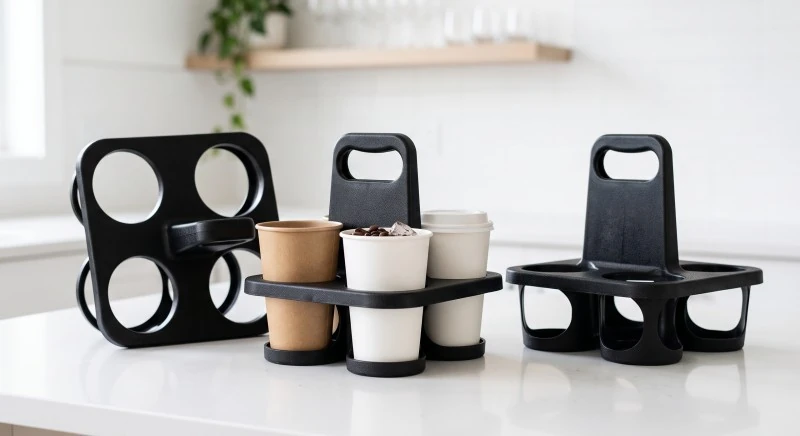
Plastic 4 cup takeout carrier

Packaging

Plastic Wireless Access Point Enclosure

Consumer Electronics

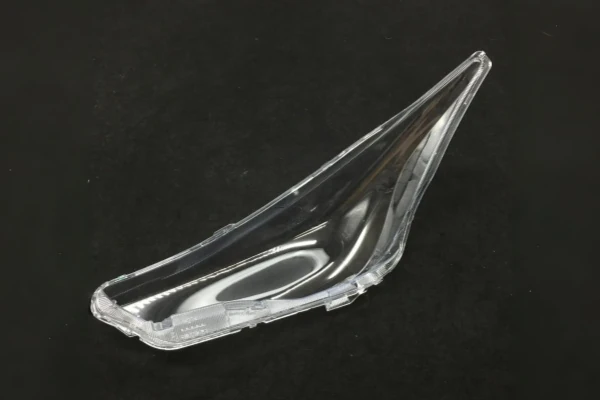
Plastic Automotive Headlight Lenses

Automotive

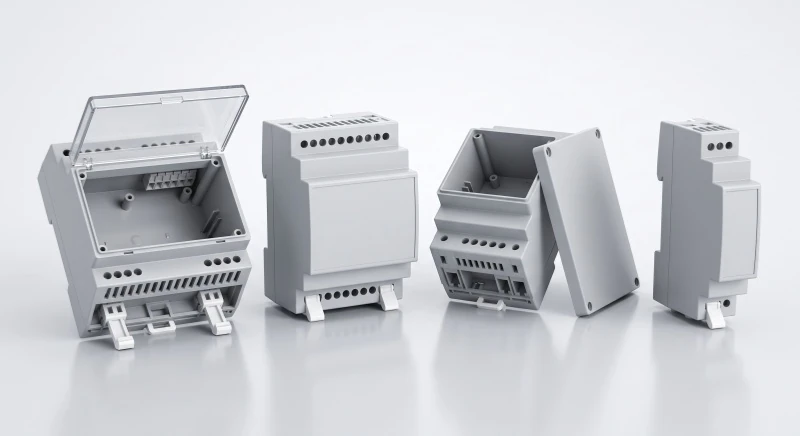
Plastic Injection Molded DIN Rail Enclosures

Industrial

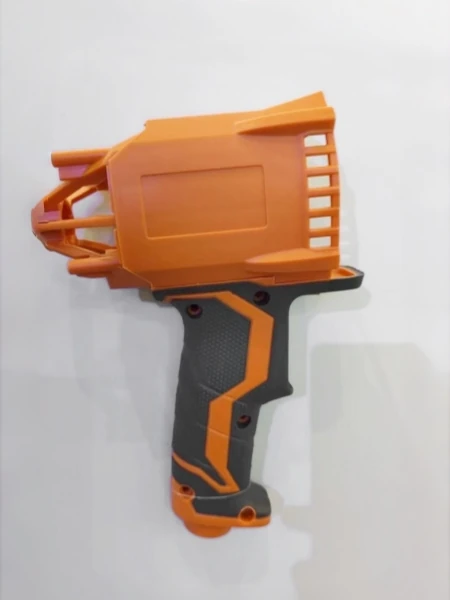
Orange and black overmolded tool housing

Power Tools

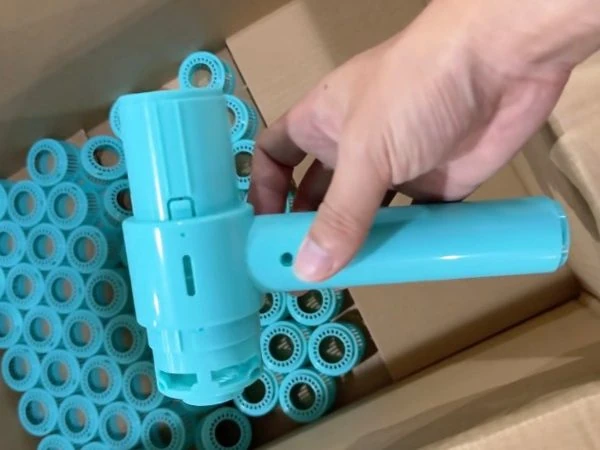
Injection molded hairdryer housings rotated

Home Appliances

OUR PROCESS

How We Deliver Your Parts

01

Confirm Your Demand

Share the intended annual quantity and part drawing.

02

Plan Cavity Layout

Evaluate cavity count, filling and tool balance.

03

Sample Each Cavity

Compare samples from each cavity for consistency.

04

Produce & Inspect

Monitor quality by the agreed cavity and part checks.

MATERIALS & PROPERTIES

Available Materials & Key Properties

Discuss material options to match your performance, appearance and application needs. Final suitability follows project review.

multi cavity mold
Material Type
Key Properties
Typical Applications
ABS

Detailed molded features

Housings and fittings

PP

Lightweight functional molding

Repeat components

PA (Nylon)

Wear and strength options

Mechanical parts

POM

Low friction and dimensional behavior

Precision components

PP Cosmetic Bottle Cap
DESIGN & SAMPLE GUIDE

Consistency Starts with the Plan.

A useful multi-cavity brief connects demand with the part and its inspection requirements.

01

Confirm the demand

Share expected order and annual quantities so the cavity concept can be evaluated.

02

Mark the critical dimensions

Identify fit, functional and appearance requirements that need comparison across cavities.

03

Review samples by cavity

Use the agreed sample checks to evaluate consistency before regular supply.

PLAN YOUR PROJECT

Plan repeated output around repeated requirements.

Multi-cavity molding combines demand planning with part and tool review. These inputs help define a cavity concept and a practical comparison plan.

Demand brief

The quantities the tool must support

Order size, repeat demand and supply pattern

Component design

The repeated geometry and material

Drawing, resin, release and critical features

Cavity concept

The arrangement within the tool

Filling, cooling, handling and identification review

Approval plan

The same criteria for each cavity

Sample grouping, dimensional checks and assembly review

Send your drawing, intended application, target quantity and any material, appearance or inspection requirements. The project review connects these inputs with a suitable production and sample-approval route.


FAQ

Frequently Asked Questions

Quick answers to common questions about our multi cavity molding service.

What is a multi-cavity mold?

It contains more than one cavity so several instances of a component can be formed in a cycle.

The choice depends on demand, part geometry, material behavior, tooling investment and quality targets.

Family-tool concepts may be possible, but balance and production needs must be reviewed for the specific parts.

Samples can be compared by cavity against agreed dimensions, appearance and functional requirements.

Share drawings, material, expected annual quantity and any dimensional or visual requirements.

START A CONVERSATION

Have a part in mind? Let's review it.

Share your drawings, material preference, estimated quantity and project goals. We will review the requirements with you.

Top