Precision parts. Reliable partnerships. Global possibilities.
PROTOTYPES & LOW-VOLUME PRODUCTION

Vacuum Casting

High-quality, production-like plastic parts for functional testing, market validation and small-batch production. A practical route before final production tooling.

Flexible Turnaround

Project-specific scheduling

Production-Like Quality

Material & finish options

Low-Volume Friendly

Small-batch production

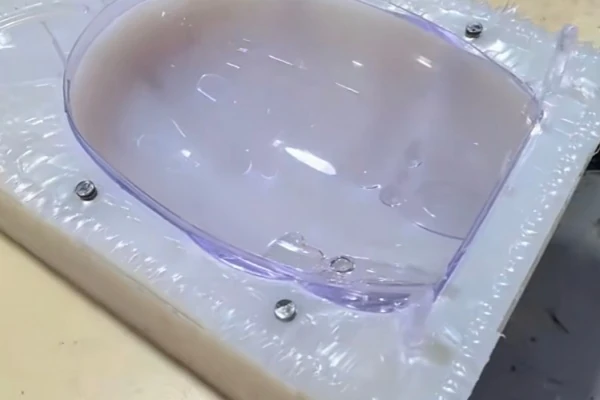
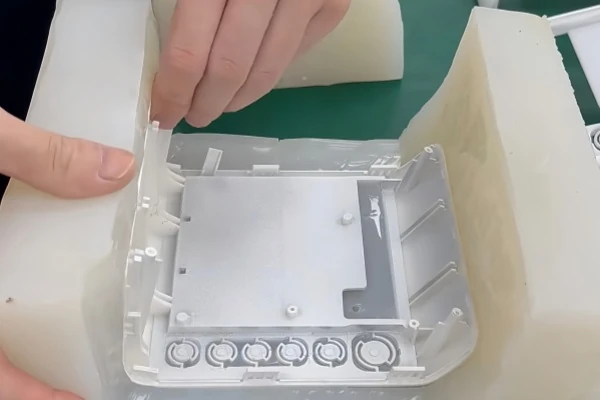
vacuum casting plastic parts demolding
OVERVIEW

What Is Vacuum Casting?

Vacuum casting (also known as silicone casting) uses a master pattern, silicone tooling and casting resins to reproduce detailed plastic parts. It supports appearance reviews, design validation and low-volume production before an injection mold is justified.

Production-like appearance and feel

A range of material and finish options

A practical route for small-batch needs

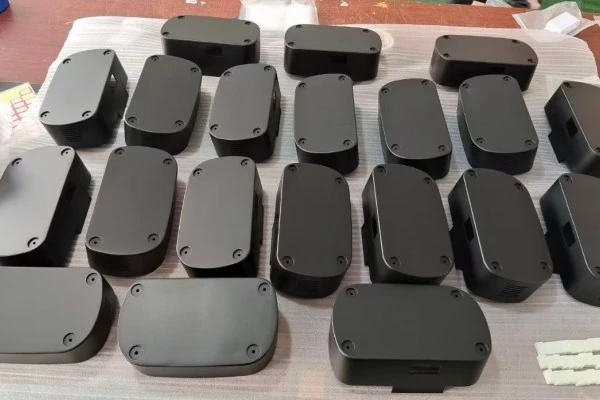
PC enclosures with vacuum casting molds
EXPLORE THE POSSIBILITIES

Physical Parts for the Next Decision.

Choose a sample objective first, then review a casting material and finish that support it.

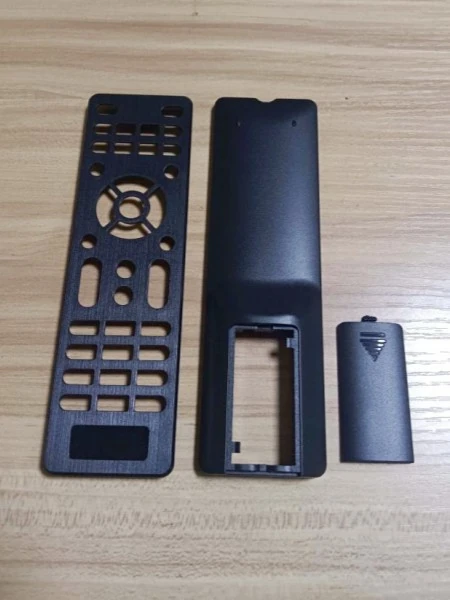
Injection Molded Remote Control Casings
01 / APPEARANCE REVIEW

See the product before tooling.

Evaluate color, form and visible surfaces using a tangible concept sample.

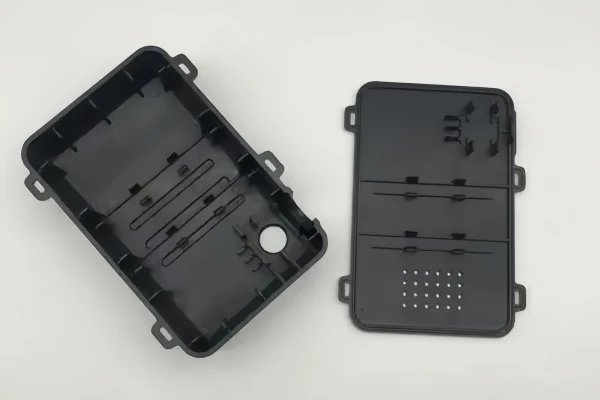
plastic enclosure with snap fit design
02 / ASSEMBLY EVALUATION

Check how the parts come together.

Review openings, access and assembly interfaces against the intended product design.

silicone vacuum casting services
03 / PILOT COMPONENTS

Learn from a small batch.

Discuss the target quantity and the tests the samples need to support.

PC enclosures with vacuum casting molds
01 / MASTER & GEOMETRY

A considered master sets the starting point.

Vacuum casting reproduces a master pattern through silicone tooling, commonly using a polyurethane casting resin. Define what the sample must demonstrate before preparing the master and mold.

Geometry and surface

Review the model, visible surfaces and joining lines before the master is finalized. The pattern provides the reference shape from which the silicone tool is made.

Sample purpose

State whether the parts support a presentation, assembly review or selected functional evaluation. The purpose helps guide material and finish discussions.

Assembly references

Include mating components and the interfaces that need checking. Mark openings, fastening locations and other dimensions important to the next design decision.

02 / SILICONE TOOLING & RESIN

Match the casting route to the evaluation.

The silicone mold and casting resin need to suit the component and intended sample use. Describe the desired appearance and behavior without assuming that a cast resin is identical to a final production thermoplastic.

Tool arrangement

Discuss the split, release and access required by the part geometry. Include the surfaces where a mold joining line would need particular consideration.

Resin characteristics

Share the required stiffness, flexibility, clarity or other relevant properties. Compare the proposed casting material against the actual evaluation requirements.

Color and finish

Provide a physical or agreed visual reference for color, texture and visible faces. Review the appearance on an actual cast component before confirming the sample reference.

vacuum casting plastic parts demolding
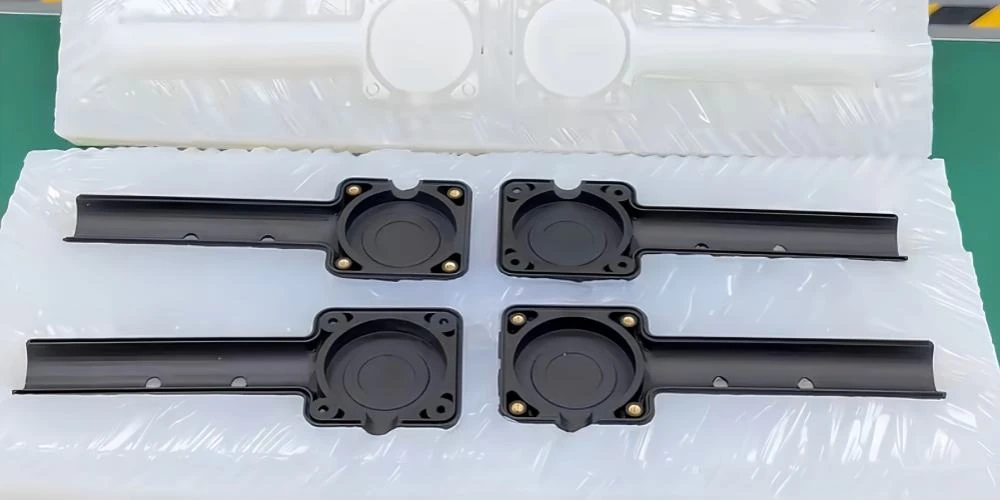
low volume vacuum casting parts
03 / PROTOTYPE & SMALL-BATCH REVIEW

Make the next product decision tangible.

Cast samples can help evaluate the physical design before committing to the next production stage. Agree on what the parts can demonstrate and what needs later validation in the final material and process.

Form and assembly

Check how the component fits with its mating parts. Review access, handling and the geometry that supports the intended assembly.

Appearance and presentation

Assess color, surface and the important visual transitions on the sample. Identify the requirements for handling or protection of cosmetic faces.

Next-stage validation

Record the conclusions from the cast sample review. Separate those results from the checks still needed on a final injection-molded production component.

KEY ADVANTAGES

Why Choose Vacuum Casting?

Rapid Development

Physical samples before final tooling.

Production-Like

Selected materials, colors and finishes.

Cost-Effective Route

Practical for small-batch needs.

Design Flexibility

Complex shapes and fine details.

APPLICATIONS

Ideal for Multiple Industries

From product development to practical applications, vacuum casting supports a range of project needs across industries.

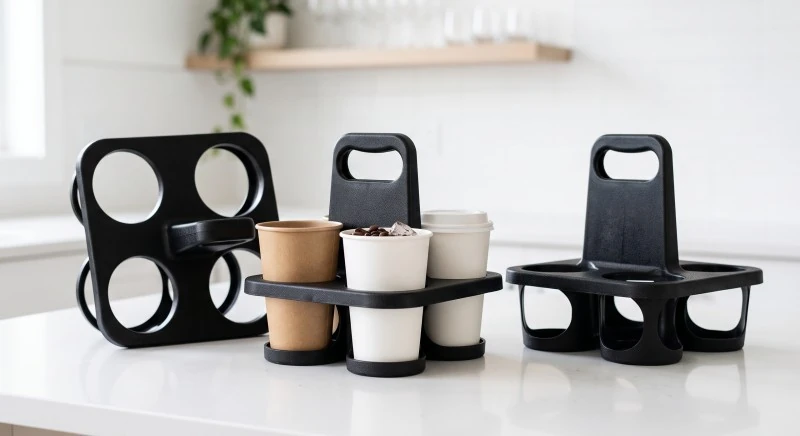
Plastic 4 cup takeout carrier

Packaging

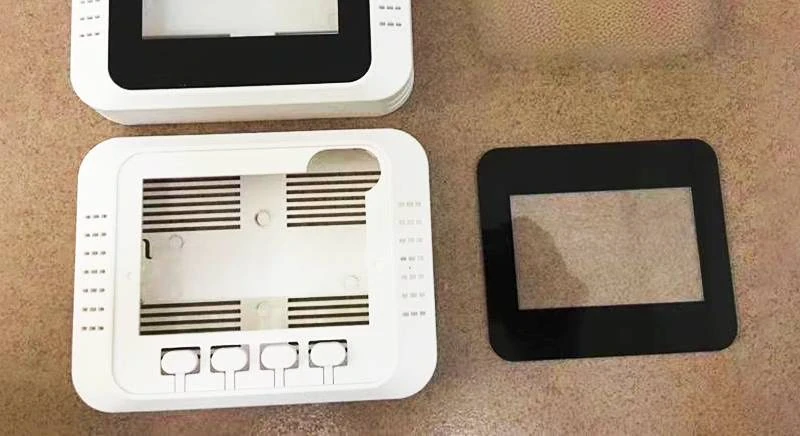
Plastic Wireless Access Point Enclosure

Consumer Electronics

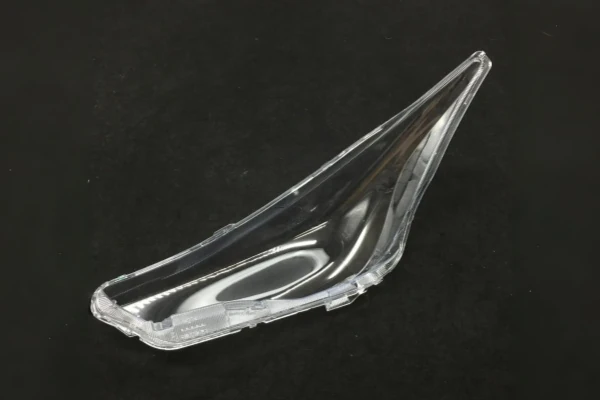
Plastic Automotive Headlight Lenses

Automotive

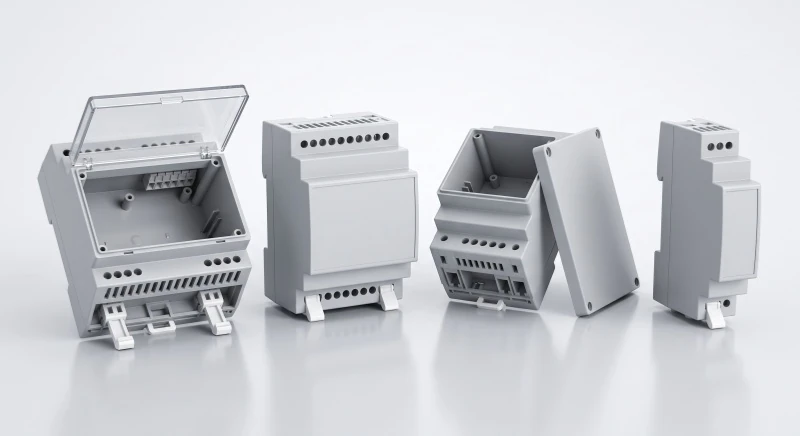
Plastic Injection Molded DIN Rail Enclosures

Industrial

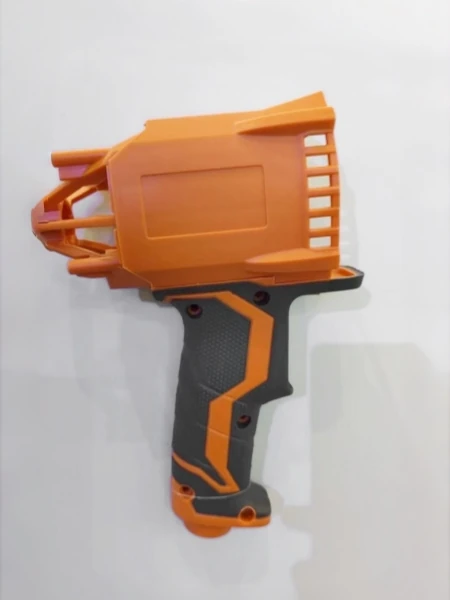
Orange and black overmolded tool housing

Power Tools

Injection molded hairdryer housings rotated

Home Appliances

OUR PROCESS

How We Deliver Your Parts

01

Send Your Design

Clarify what the samples need to demonstrate.

02

Make Silicone Tool

Prepare a master and suitable silicone tooling route.

03

Cast & Finish

Cast, finish and inspect the requested sample set.

04

Inspect & Deliver

Use findings to decide on the next manufacturing step.

MATERIALS & PROPERTIES

Available Materials & Key Properties

Discuss material options to match your performance, appearance and application needs. Final suitability follows project review.

PC enclosures with vacuum casting molds
Material Type
Key Properties
Typical Applications
Rigid PU

Production-like appearance for evaluation

Enclosures and covers

Flexible PU

Elastomer-like feel for selected concepts

Grips and seals

Transparent PU

Clarity options subject to part review

Lenses and covers

Heat-resistant PU

Application-dependent temperature behavior

Functional trials

Specialty PU

Specific performance reviewed per project

Application-driven samples

vacuum casting plastic parts demolding
DESIGN & SAMPLE GUIDE

Tell Us What the Sample Must Prove.

Casting is most useful when the review objective is clear from the start.

01

Define the evaluation

Explain whether the parts are for presentation, fit checks or selected functional trials.

02

Share the part and material brief

Provide the model, desired properties, finish reference and target quantity.

03

Agree on the next step

Review what the cast samples demonstrate and what still needs validation in the final production material.

PLAN YOUR PROJECT

Choose the sample objective before the finish.

A clear casting brief connects the master pattern, resin and evaluation needs. Define the question the physical sample should help you answer.

Sample objective

The decision the parts must support

Presentation, fit review or selected functional evaluation

Master pattern

The shape and surface to reproduce

3D model, cosmetic faces and assembly references

Casting material

The behavior required for the evaluation

Resin properties, color, finish and quantity

Review outcome

The conclusions and next production step

Fit, appearance and remaining final-material validation

Send your drawing, intended application, target quantity and any material, appearance or inspection requirements. The project review connects these inputs with a suitable production and sample-approval route.

FAQ

Frequently Asked Questions

Quick answers to common questions about our vacuum casting service.

What is vacuum casting best suited to?

It is often considered for small batches and physical samples used for appearance, fit and early functional review.

The practical yield varies with part geometry, resin and finish. Share your target quantity for a project-specific recommendation.

Different polyurethane casting systems may be suitable. The selection depends on the properties the samples need to demonstrate.

They can help assess appearance and form, but material behavior and production suitability should be checked against the intended injection-molded part.

Geometry, master pattern, tool preparation, finish and approval stages all matter; a realistic date follows drawing review.

START A CONVERSATION

Have a part in mind? Let's review it.

Share your drawings, material preference, estimated quantity and project goals. We will review the requirements with you.

Top