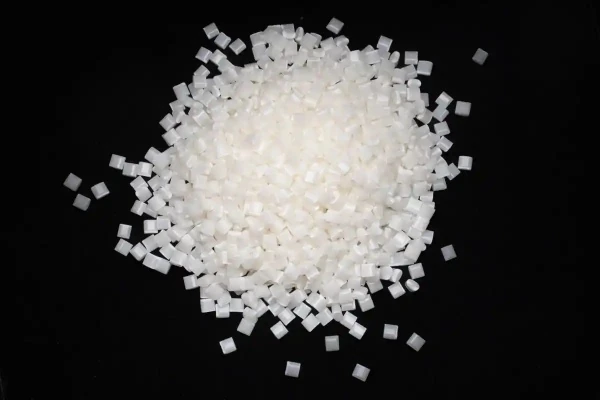
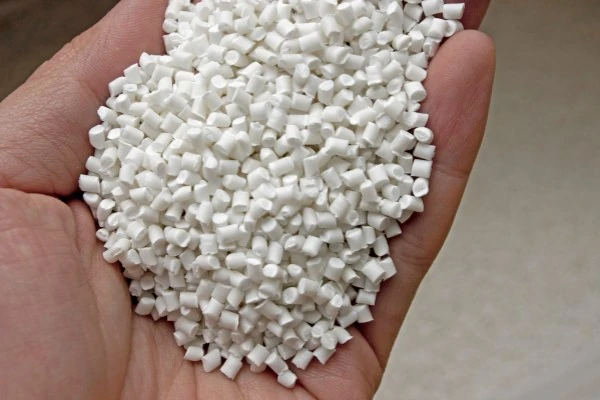
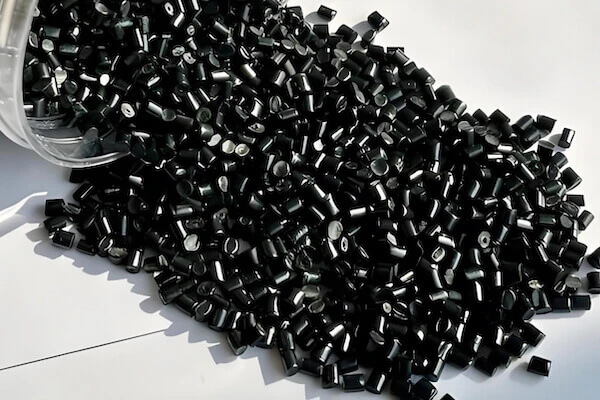
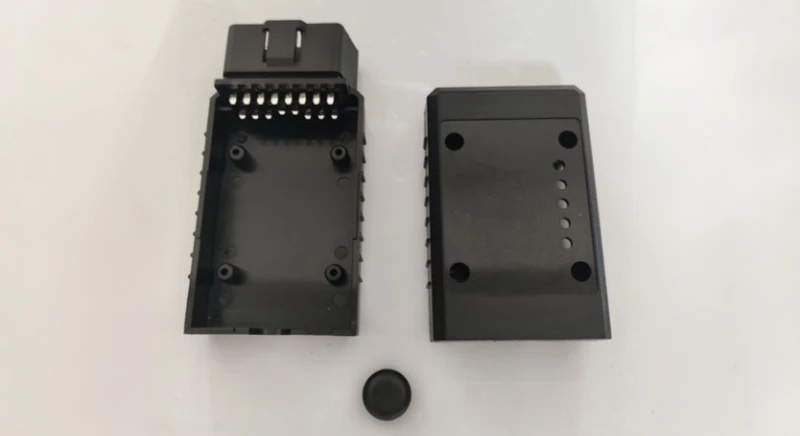
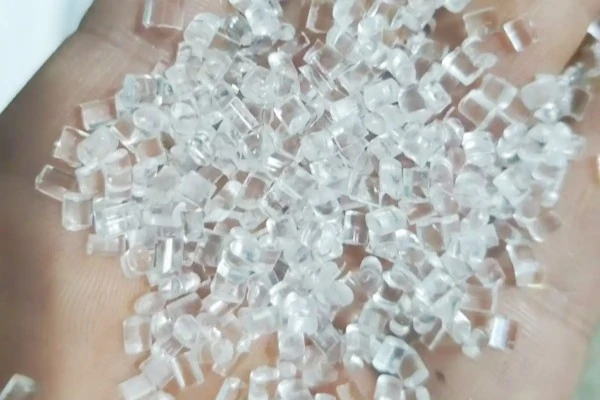
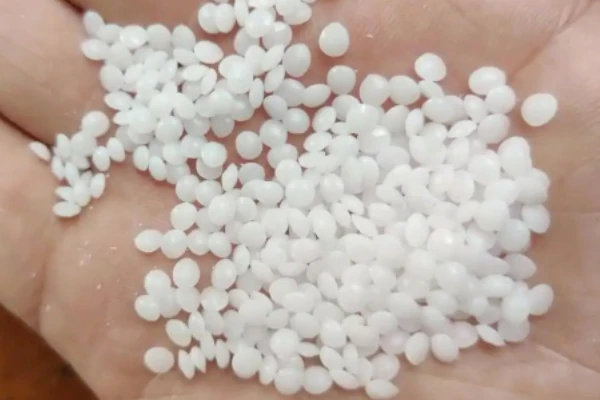
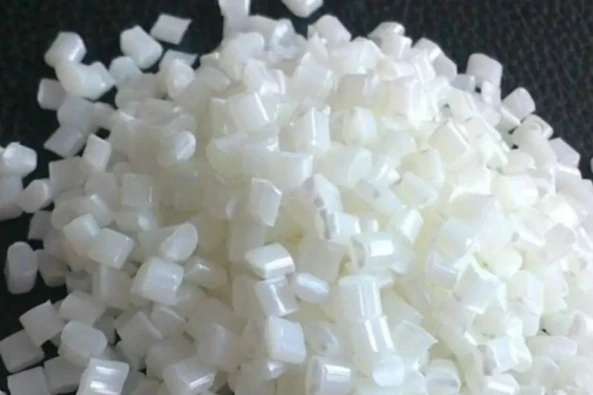
An opaque thermoplastic commonly considered for detailed housings and covers where appearance, moldability and everyday impact performance need to work together.
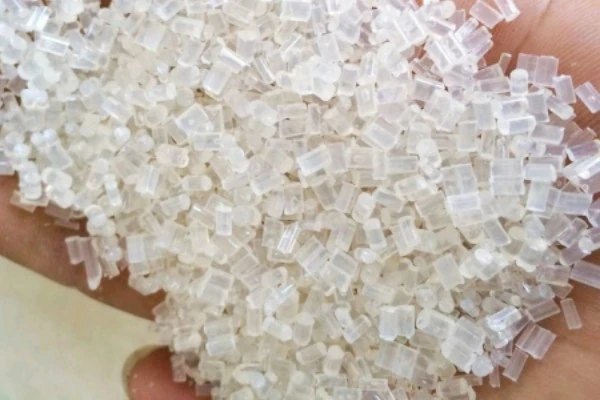
Polycarbonate is considered for clear covers and technical housings where transparency or impact performance guides the brief. Clear, translucent and opaque grades serve different requirements.
A family of opaque polycarbonate/ABS blends used in technical housings and visible components. The selected blend determines the balance of impact, heat behavior and processability.
Polyamide materials are used for functional molded parts such as gears, brackets and connectors. The PA type, reinforcement and moisture condition need to be considered together.
Polypropylene is widely considered for lightweight cases, trays, caps and household parts. Homopolymer, copolymer and modified grades suit different stiffness and impact requirements.
PBT is an engineering polyester considered for connectors, housings and technical components where dimensional and electrical requirements guide material selection.
PMMA is considered for clear, colored or light-facing parts where optical appearance is central to the product. Grade and surface requirements need to match the intended component.
ASA is considered for visible molded components where weather exposure and color appearance are important. Outdoor performance still needs to be matched to the actual grade and use conditions.
GPPS is a transparent, rigid polystyrene family considered for clear boxes, display details and selected packaging components. Impact and use conditions need particular attention during selection.
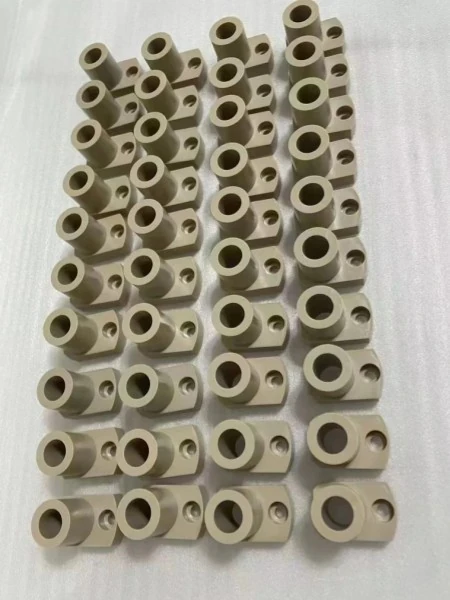
PEEK is a high-performance thermoplastic considered for demanding technical parts. The grade, processing route and validation requirements need a focused review against the operating conditions.