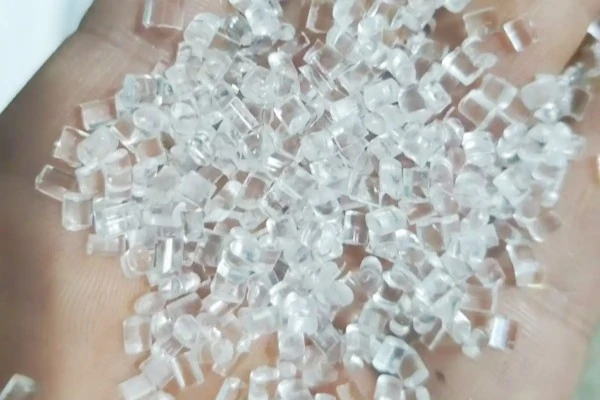
PMMA is considered for clear, colored or light-facing parts where optical appearance is central to the product. Grade and surface requirements need to match the intended component.
Define clarity, color or diffusion requirements.
Identify the important visible and light-facing regions.
Review impact, exposure and processing requirements.
Start with the part’s function, then confirm that the selected grade and geometry meet the actual requirements.
Viewing areas, edge appearance and mounting.
Optical requirements and fixture interfaces.
Cosmetic surfaces, alignment and handling.
Share the required appearance or optical checks for the finished part.
Include impact needs, fastening loads and chemical contact.
Discuss tool surfaces, handling and packing for the visible faces.
Share the intended use, loading, environment and any specified grade or tests. The material family alone does not define final performance.
Identify critical dimensions, mating features, cosmetic faces and any special finish or inspection requirements.
Discuss tool surfaces, handling and packing for the visible faces. Use the agreed drawing and project requirements as the acceptance reference.
Send your drawing, preferred grade, target quantity and the conditions the part will face.