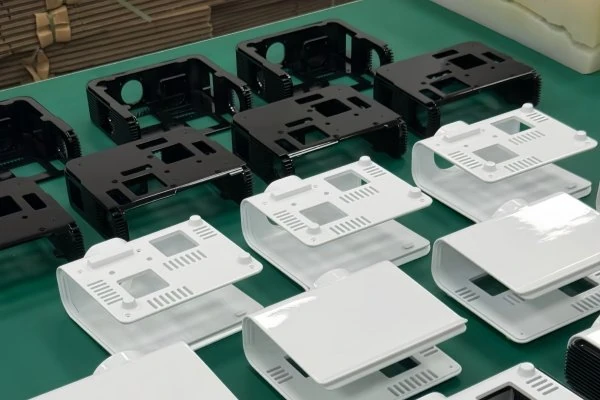
Handheld cases, display bezels, sensor covers and small functional parts with attention to location, access and fit.
Application-led design · Material review · Sample approval
An instrument housing must locate its internal components while keeping displays, probes and controls accessible. Review the enclosure, operating controls and fixing features together so the final assembly has a clear reference.
Align apertures, button regions and access points with the internal component layout.
Define board supports, probe or sensor interfaces and the mating dimensions that matter.

Explore typical component families and the interfaces to consider before tooling.
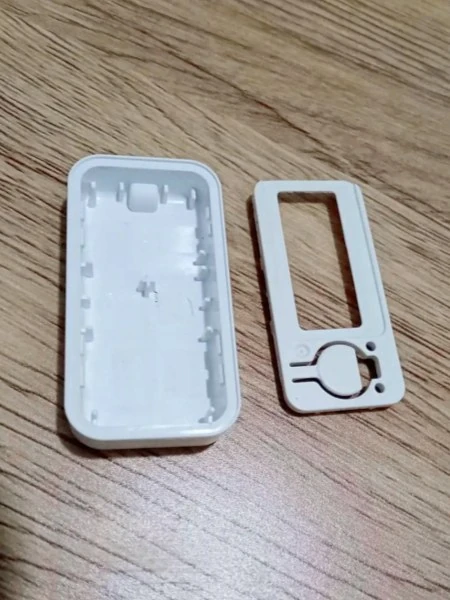
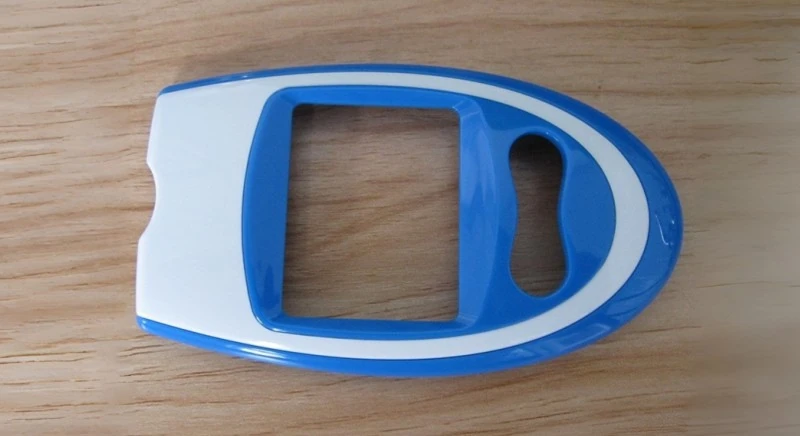
Coordinate the display window, control opening and handheld fit.
Review viewing apertures and the shape of the mating enclosure.
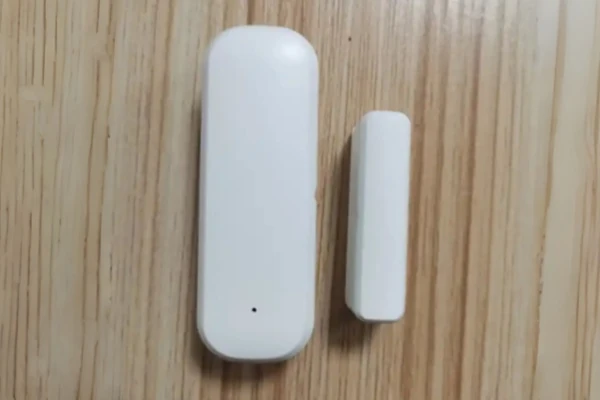
Define the sensing region, cover alignment and installation details.
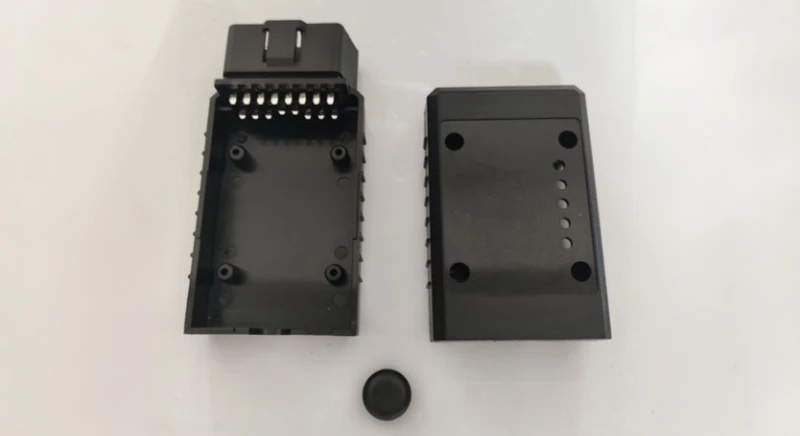
Coordinate contact positions and access around the instrument assembly.
Connect the part geometry, selected resin and target quantity with the manufacturing services it needs.
Custom plastic parts built around your design. A connected route from material selection and production tooling to approved samples and repeatable supply.
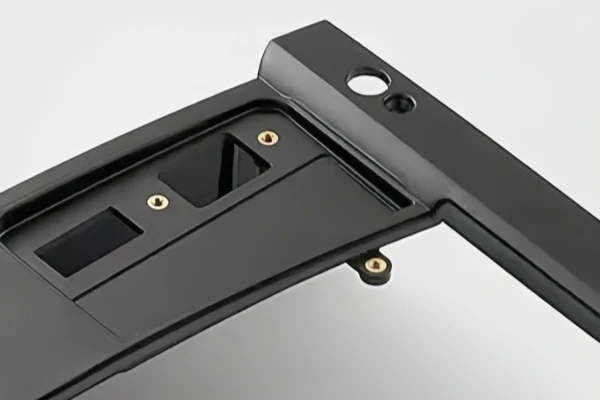
Bring metal strength and plastic design freedom together. Mold threaded inserts, pins and contacts into a component designed for its final assembly.
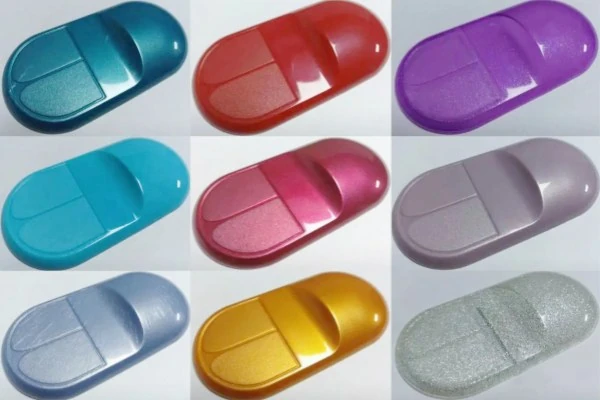
Give your plastic component its intended appearance. Coordinate selected surface treatments, color and marking with the resin, part design and final application.
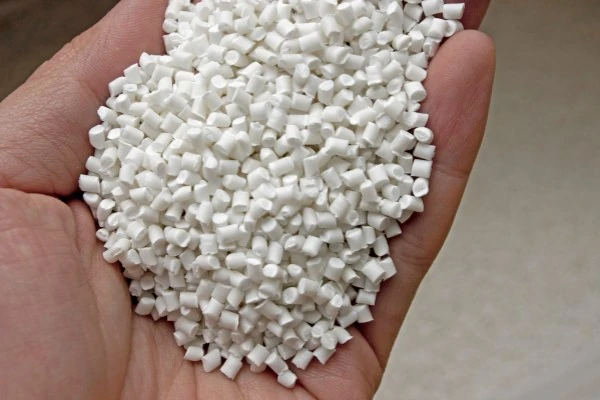
Use the application, environment and assembly requirements to compare candidate resins. Final grade selection follows the complete component brief.
An opaque thermoplastic commonly considered for detailed housings and covers where appearance, moldability and everyday impact performance need to work together.
Polycarbonate is considered for clear covers and technical housings where transparency or impact performance guides the brief. Clear, translucent and opaque grades serve different requirements.
POM is used for functional parts such as gears, bushings and small mechanical components where sliding behavior, stiffness and dimensional fit matter.
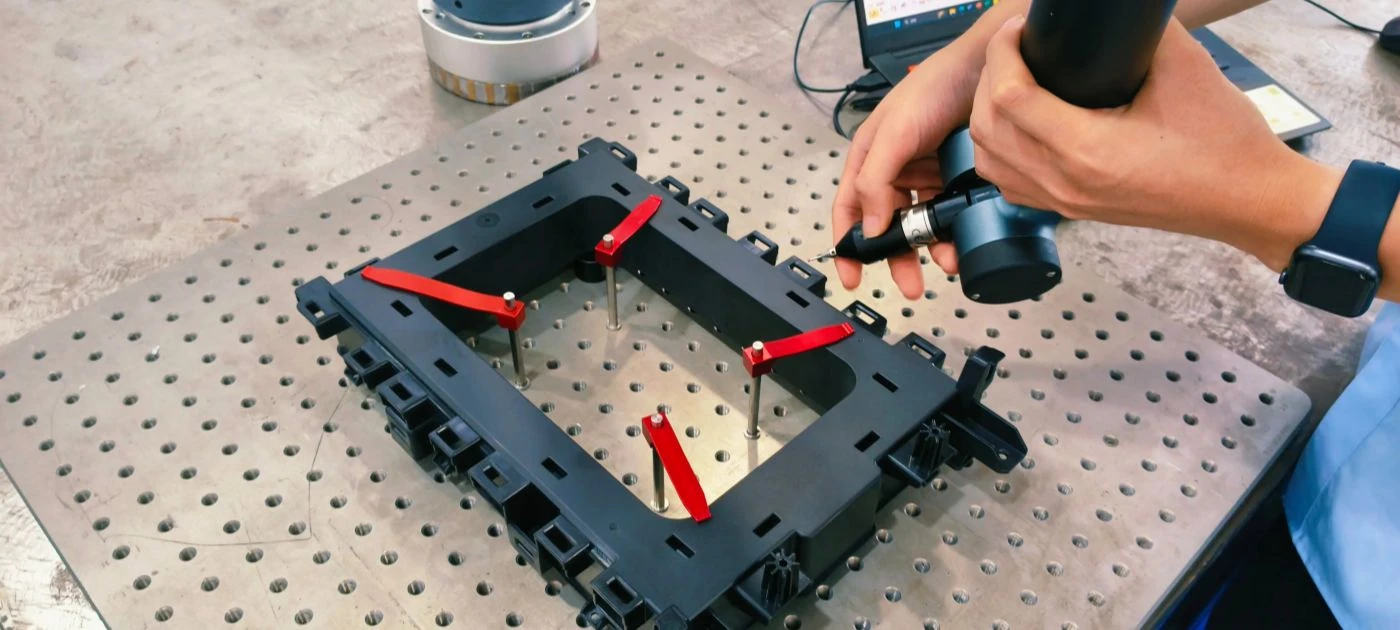
Use drawings, mating references and agreed acceptance points to review the component before regular production.
Mark the dimensions locating screens, indicators and control apertures.
Provide the mating references and any required clearances.
Review the grip, legends and visible surface on an assembled sample.
A useful inspection plan follows the component through incoming material, production and final release. Define the checks around the features your product depends on.
Confirm the specified resin and the incoming requirements that matter to the component before production.
Review the agreed dimensions, molded features and visible surfaces during the production route.
Compare the finished parts with the drawing, approved sample and agreed inspection points before packing.
Surface finish, component geometry and the assembly destination all inform the packing brief.
Include packaging and delivery requirements in the project brief so the finished components reach the next stage ready for handling.
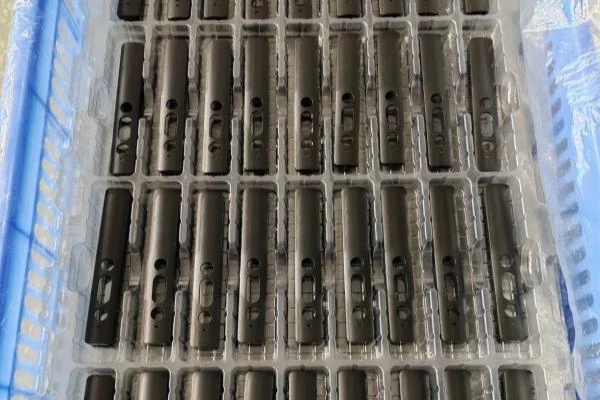
Separate display bezels and small instrument parts to protect their exposed and locating features.
Agree on part grouping, quantity per pack and any labeling or assembly-set requirements.
Share the destination, shipment quantity and handling needs so packing and dispatch can be coordinated.
Practical answers for planning custom instruments & meters components.
Share drawings or 3D files, the intended application, material preferences, target quantity and any required tests.
Handheld Meter Cases, Display Bezels, Sensor Covers, Small Functional Parts are typical component families. Suitability depends on the individual design and requirements.
Start with sensor & probe interfaces, the operating environment and the properties the component needs. Compare actual grades with the project requirements.
Mark the dimensions locating screens, indicators and control apertures. Review the grip, legends and visible surface on an assembled sample.
Separate display bezels and small instrument parts to protect their exposed and locating features. Include destination, quantity per pack and any identification requirements in the brief.
Share the drawing, intended use, material preferences and target quantity. Include the features or tests that matter most to the finished assembly.
Linqing Haixiang Plastic Products Co., Ltd.
Linqing City, Shandong Province, China