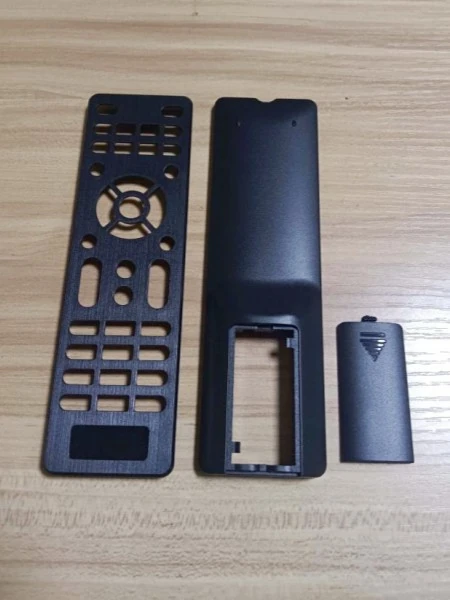
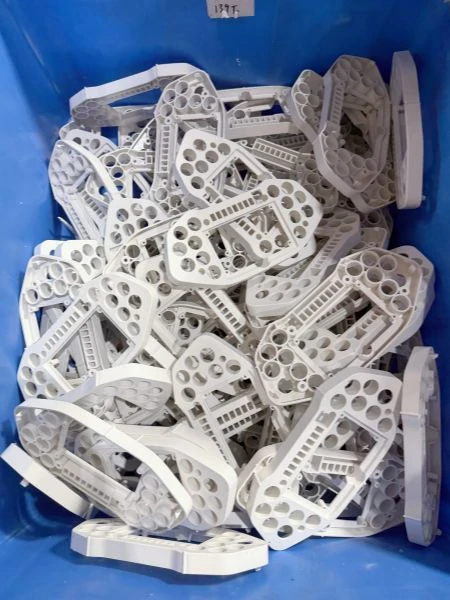
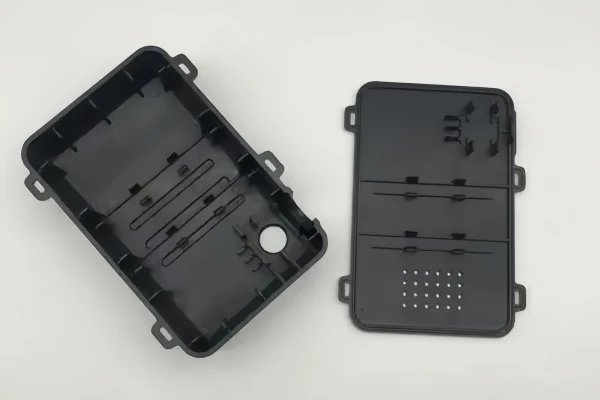
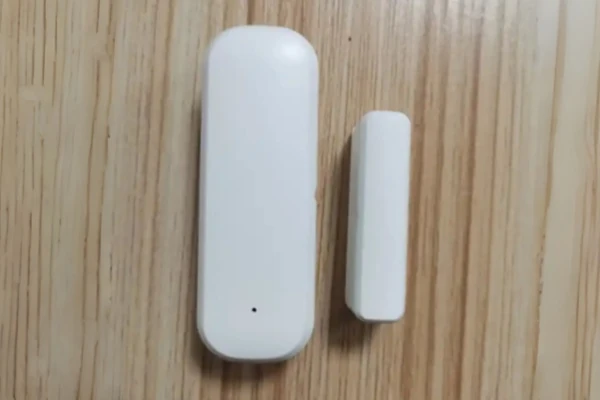
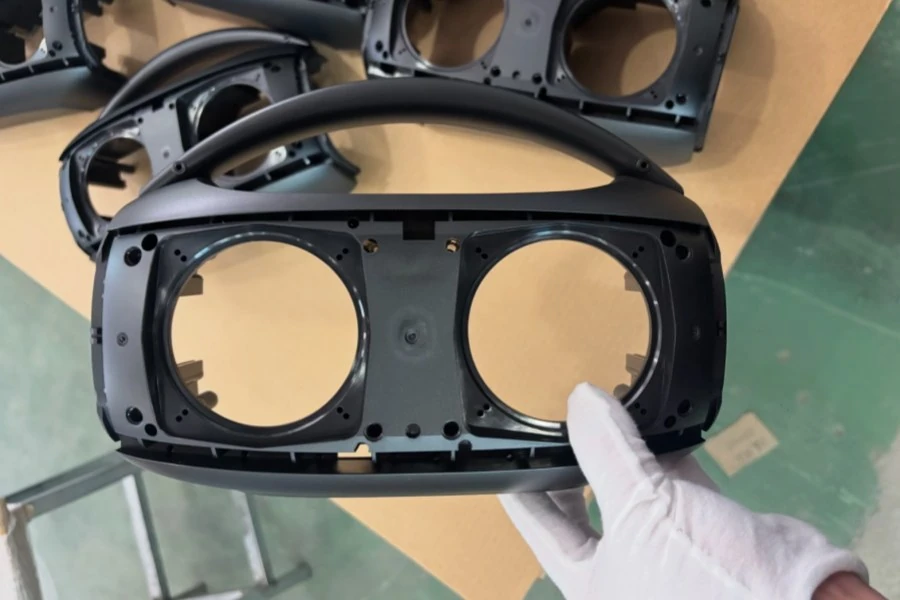
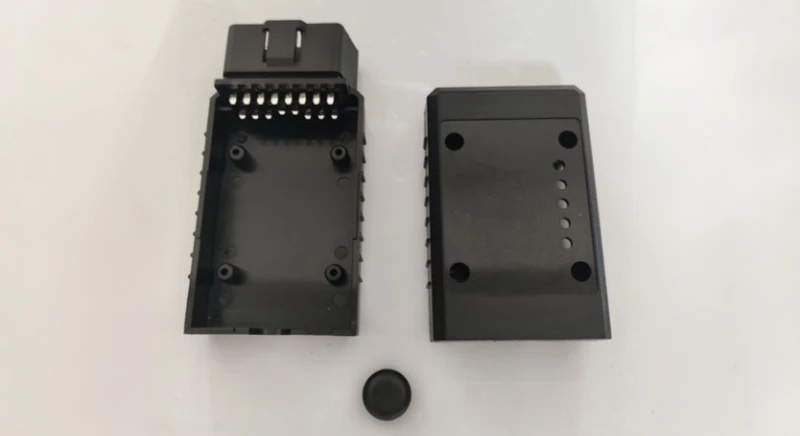
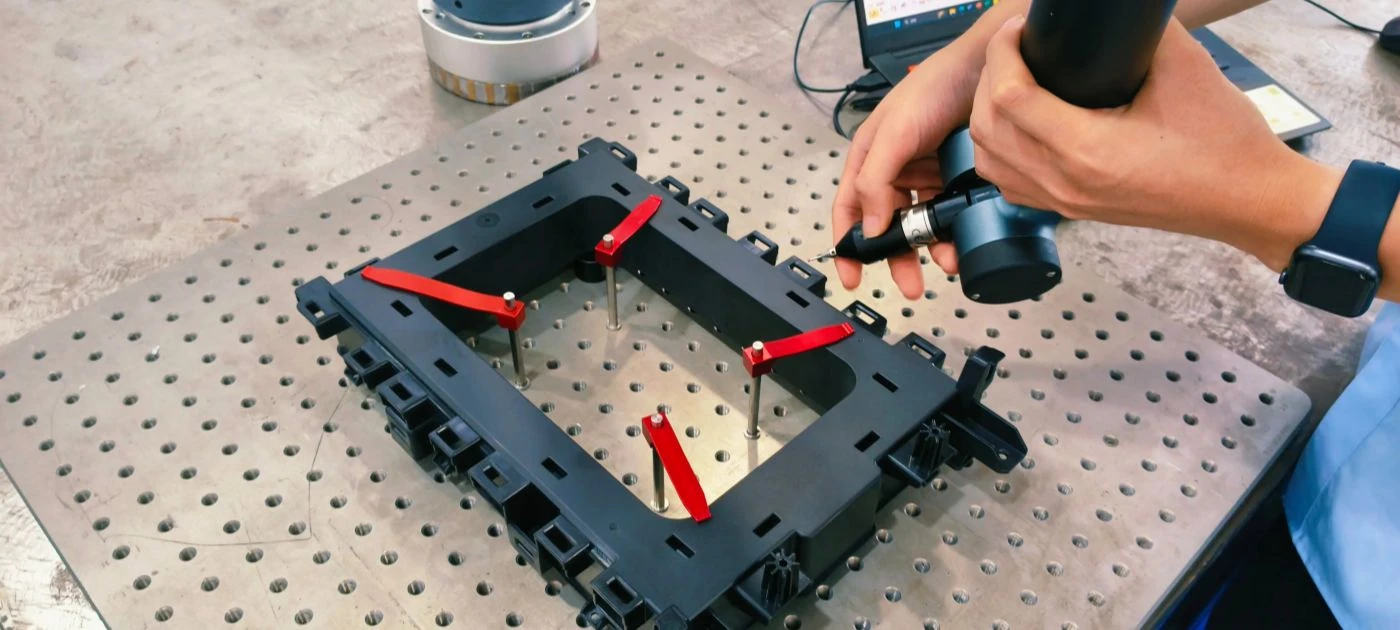
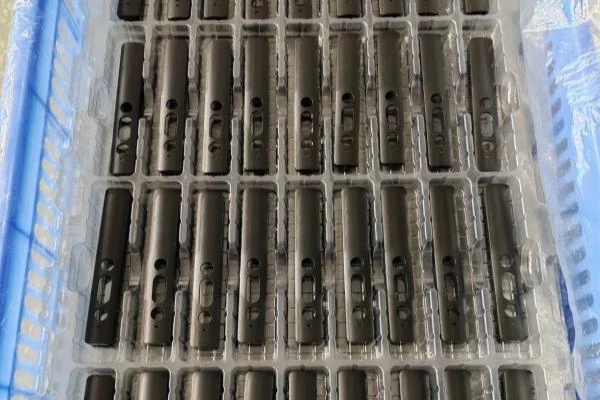
From the shell in your hand to the features inside it. Custom molded housings and components planned around electronics, assembly and the final appearance.
Housings & enclosures · Material review · Sample approval
An electronics enclosure does more than cover a circuit board. It locates components, supports the assembly and creates the surface your customer sees and touches.
Coordinate mounting bosses, ribs, openings and component clearances with the housing design.
Review the part interface, fastening approach and cosmetic faces together before sampling.

A component-led approach for new designs, replacement housings and products preparing for production.
Plan the cover, internal supports and component openings.
Review grip shape, control apertures and shell assembly.
Coordinate sensor openings, mounting and cover fit.
Define speaker openings and the mating enclosure geometry.
Combine the services your component needs, with the part and its assembly guiding the route.
Custom housings and repeatable part production, planned around the resin and tooling.
Review molded-in fastening or contact features where the component needs them.
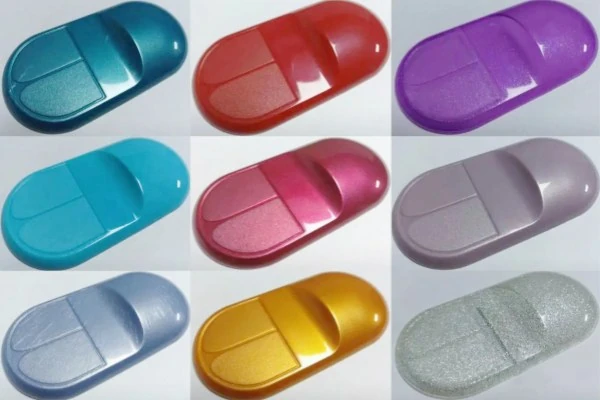
Bring color, texture and marking requirements into the component brief.
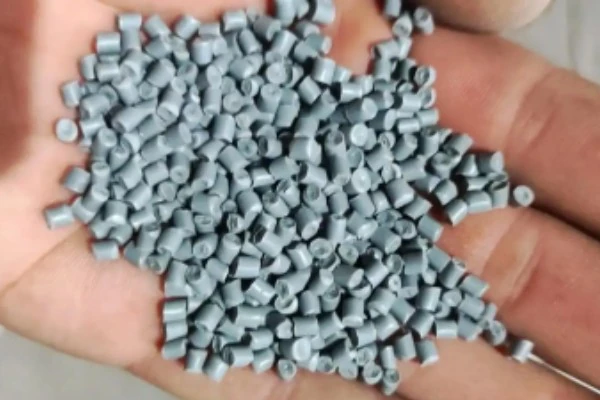
Impact, handling, appearance and the operating environment all inform the resin review. The final grade follows the component requirements.
A starting point for detailed housings where appearance and everyday handling matter.
Consider for components with impact or clarity requirements, subject to grade and design review.
A potential housing material when the project calls for a balance of toughness and surface appearance.
An approved sample gives the team a shared reference for the housing and its intended assembly.
Confirm board mounting, access openings and mating faces against the drawing.
Agree on color, texture, marking positions and the faces that matter most.
Define the dimensions, appearance and assembly checks used for sample approval.
A useful inspection plan follows the component through incoming material, production and final release. Define the checks around the features your product depends on.
Confirm the specified resin and the incoming requirements that matter to the component before production.
Review the agreed dimensions, molded features and visible surfaces during the production route.
Compare the finished parts with the drawing, approved sample and agreed inspection points before packing.
Surface finish, component geometry and the assembly destination all inform the packing brief.
Include packaging and delivery requirements in the project brief so the finished components reach the next stage ready for handling.
Discuss separation, wrapping and contact areas around cosmetic faces or delicate features.
Agree on part grouping, quantity per pack and any labeling or assembly-set requirements.
Share the destination, shipment quantity and handling needs so packing and dispatch can be coordinated.
Practical answers for planning your next electronic housing or component.
Share 2D or 3D drawings, the intended application, preferred material, target quantity and any appearance or assembly requirements.
These features can be reviewed with the overall geometry, resin and tool concept. Mark critical interfaces and clearances on the drawing.
Share the operating conditions and the properties the housing needs so suitable resin options can be considered for the component.
Provide a color, texture or marking reference and identify the important cosmetic faces. Samples can then be reviewed against the agreed brief.
Review assembly fit, critical dimensions and appearance on the sample, using the agreed drawing and inspection requirements as the reference.
Send the drawing and tell us what the part needs to do. Include material preferences, quantity and any fit or appearance requirements.
Linqing Haixiang Plastic Products Co., Ltd.
Linqing City, Shandong Province, China