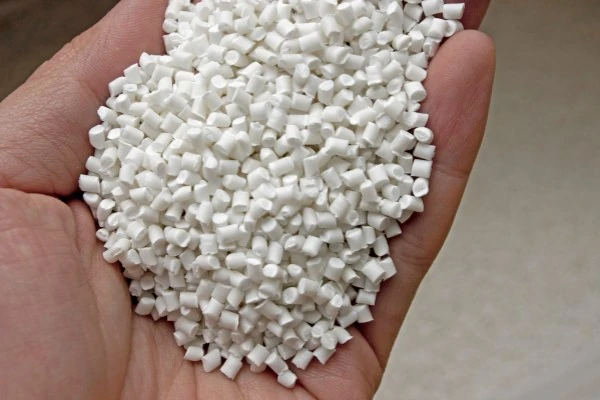
An opaque thermoplastic commonly considered for detailed housings and covers where appearance, moldability and everyday impact performance need to work together.
Review stiffness and impact needs against the actual grade.
Coordinate molded color, texture and visible faces.
Plan ribs, bosses and openings with the tool concept.
Start with the part’s function, then confirm that the selected grade and geometry meet the actual requirements.
Board supports, connector openings and cosmetic faces.
Control apertures, joining edges and handling surfaces.
Fastening points and the way the product is held.
Share heat, cleaning agents and handling loads before selecting a grade.
Provide color and texture references; discuss any printing or painting.
Mark critical interfaces and approve fit and appearance on samples.
Share the intended use, loading, environment and any specified grade or tests. The material family alone does not define final performance.
Identify critical dimensions, mating features, cosmetic faces and any special finish or inspection requirements.
Mark critical interfaces and approve fit and appearance on samples. Use the agreed drawing and project requirements as the acceptance reference.
Send your drawing, preferred grade, target quantity and the conditions the part will face.