Precision parts. Reliable partnerships. Global possibilities.
11 MATERIAL FAMILIES / CONCISE SELECTION GUIDES

Materials for your custom plastic parts.

Compare practical characteristics and typical uses, then bring your operating conditions, drawing and grade requirements into the review.

APPLICATION FIRST
GRADE REVIEW
DRAWING-BASED
PCABS resin
THE MATERIAL INDEX

Find the family. Define the grade.

Each short guide covers the characteristics, applications and checks that help frame a component discussion.

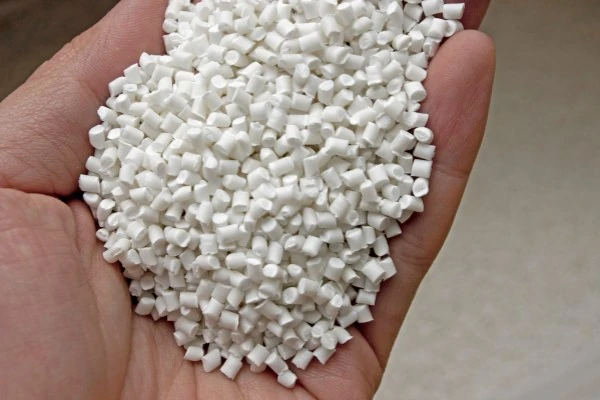
ABS raw plastic pellets
Acrylonitrile Butadiene Styrene

ABS

An opaque thermoplastic commonly considered for detailed housings and covers where appearance, moldability and everyday impact performance need to work together.

PC Plastic Pellets
Polycarbonate

PC

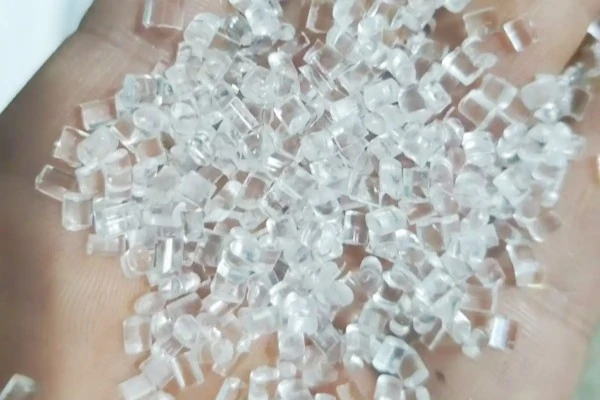
Polycarbonate is considered for clear covers and technical housings where transparency or impact performance guides the brief. Clear, translucent and opaque grades serve different requirements.

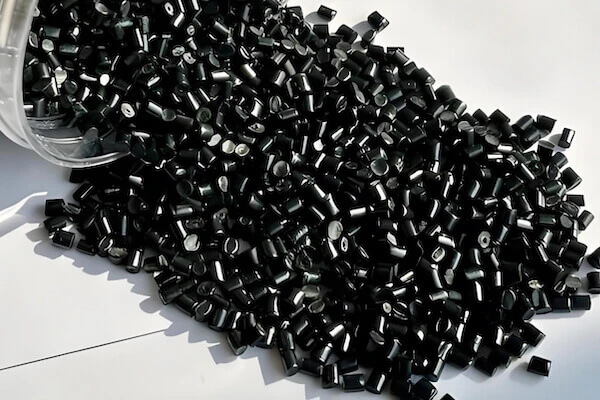
PCABS resin
Polycarbonate / ABS Blend

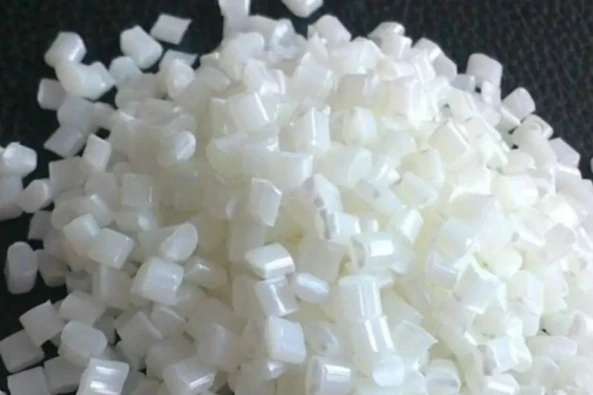
A family of opaque polycarbonate/ABS blends used in technical housings and visible components. The selected blend determines the balance of impact, heat behavior and processability.

PA66 Nylon 66
Polyamide

Polyamide materials are used for functional molded parts such as gears, brackets and connectors. The PA type, reinforcement and moisture condition need to be considered together.

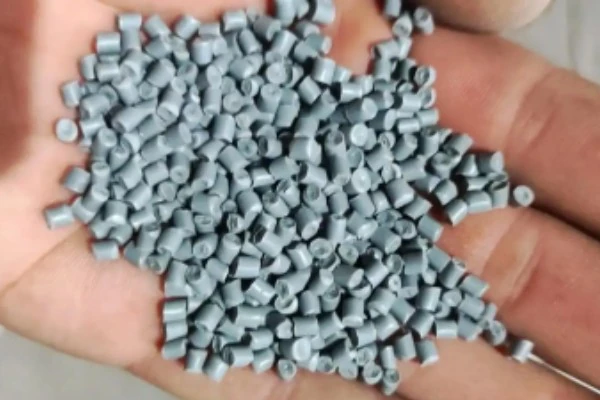
PP pellets
Polypropylene

PP

Polypropylene is widely considered for lightweight cases, trays, caps and household parts. Homopolymer, copolymer and modified grades suit different stiffness and impact requirements.

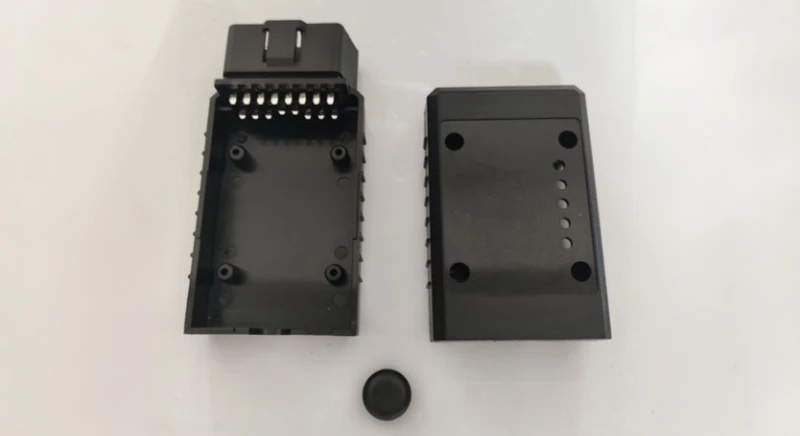
plastic Pin Connector Enclosure
Polybutylene Terephthalate

PBT

PBT is an engineering polyester considered for connectors, housings and technical components where dimensional and electrical requirements guide material selection.

PMMA acrylic pellets
Polymethyl Methacrylate / Acrylic

PMMA is considered for clear, colored or light-facing parts where optical appearance is central to the product. Grade and surface requirements need to match the intended component.

POM pellets
Polyoxymethylene / Acetal

POM

POM is used for functional parts such as gears, bushings and small mechanical components where sliding behavior, stiffness and dimensional fit matter.

ASA pellets
Acrylonitrile Styrene Acrylate

ASA

ASA is considered for visible molded components where weather exposure and color appearance are important. Outdoor performance still needs to be matched to the actual grade and use conditions.

GPPS pellets
General Purpose Polystyrene

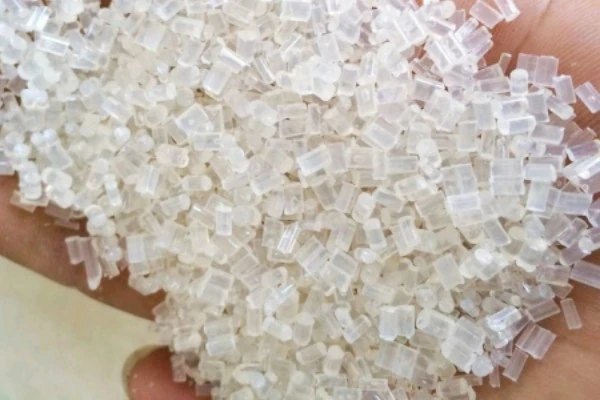
GPPS is a transparent, rigid polystyrene family considered for clear boxes, display details and selected packaging components. Impact and use conditions need particular attention during selection.

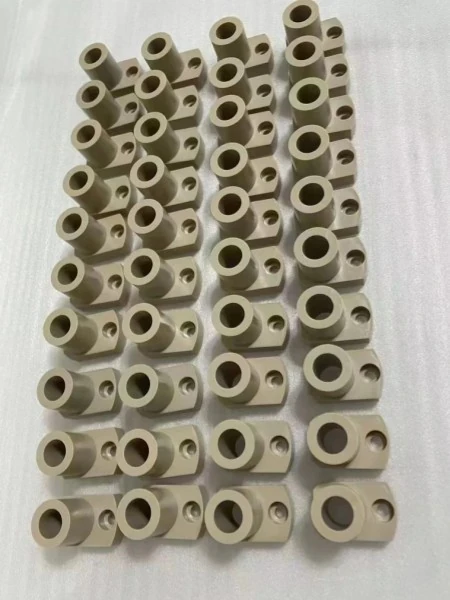
PEEK plastic parts injection molding manufacturer
Polyether Ether Ketone

PEEK is a high-performance thermoplastic considered for demanding technical parts. The grade, processing route and validation requirements need a focused review against the operating conditions.

LET THE JOB GUIDE THE COMPARISON

Four practical starting points.

ABS · PC/ABS

Visible housings

Start with appearance, handling and the component environment.

PC · PMMA

Clear or light-facing parts

Define clarity, diffusion and important optical surfaces.

PA / Nylon · POM

Moving or loaded details

Describe contact, movement, loads and dimensional requirements.

ASA · suitable grades

Outdoor-use components

Specify sunlight, moisture, temperature and intended exposure.

MAKE THE BRIEF USEFUL

Three questions before choosing a grade.

01 / SELECTION

What will the part face?

Provide temperature, moisture, sunlight, cleaners and other chemical exposure.

02 / SELECTION

What must it do?

Define loading, movement, contact, fit and the dimensions that carry the function.

03 / SELECTION

What needs to be approved?

Identify appearance references, required tests, specified grades and any contact or compliance requirements.

QUICK ANSWERS

Make the comparison specific.

Does a material name define its final performance?

No. Grades, reinforcement, additives and processing differ within a family. Review actual supplier data and the component requirements.

Share the existing grade and the performance or cost objective. Any proposed alternative needs a grade-level review and agreed validation.

Provide the drawing, intended use, operating conditions, target quantity and any specified grade, appearance reference or required tests.

A CLEAR MATERIAL BRIEF STARTS HERE

Tell us what your part needs to do.

Share your drawing and use conditions to begin the material and manufacturing discussion.

Top