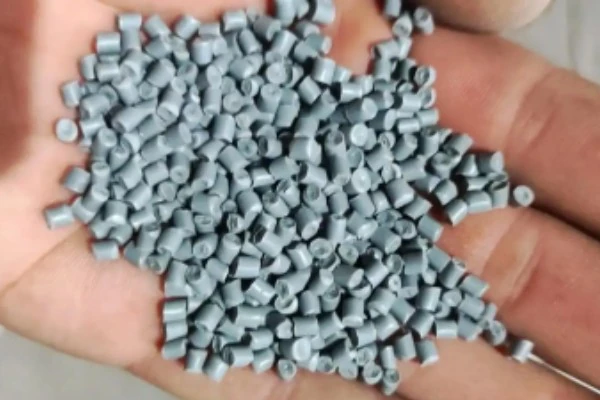
Polypropylene is widely considered for lightweight cases, trays, caps and household parts. Homopolymer, copolymer and modified grades suit different stiffness and impact requirements.
Useful to discuss when component weight matters.
Match stiffness and impact needs to the chosen grade.
Review closures, ribs and repeated handling in the design.
Start with the part’s function, then confirm that the selected grade and geometry meet the actual requirements.
Compartments, loading clearance and support points.
Engagement, opening and intended reuse.
Handling, cleaning and any contact-specific requirements.
If a hinge or snap feature is required, state the movement and validation needs.
Use the selected grade and geometry to guide the tooling discussion.
Food, water or other regulated contact requires grade-specific review.
Share the intended use, loading, environment and any specified grade or tests. The material family alone does not define final performance.
Identify critical dimensions, mating features, cosmetic faces and any special finish or inspection requirements.
Food, water or other regulated contact requires grade-specific review. Use the agreed drawing and project requirements as the acceptance reference.
Send your drawing, preferred grade, target quantity and the conditions the part will face.