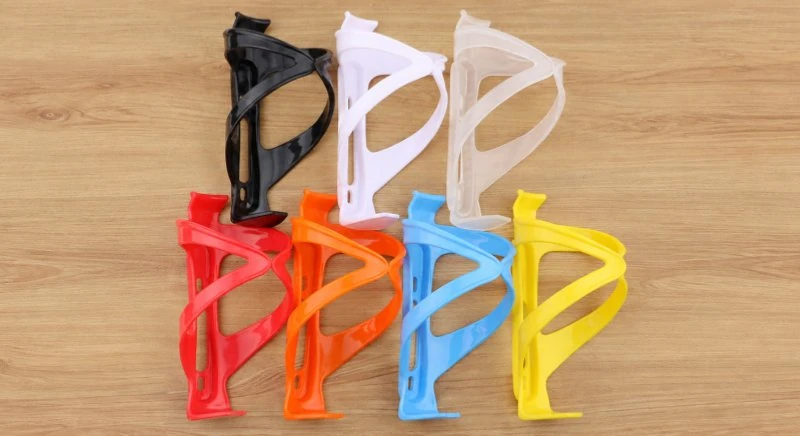
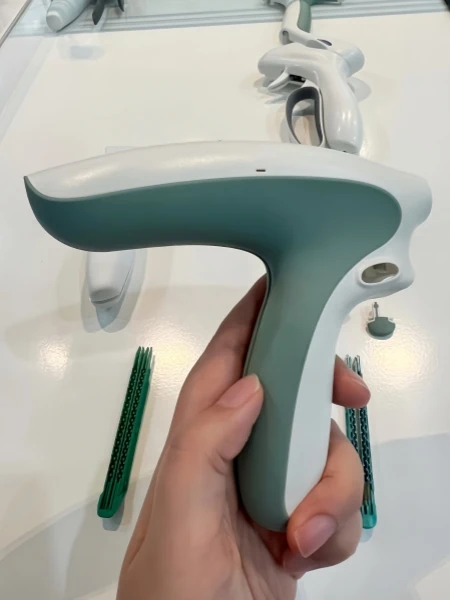
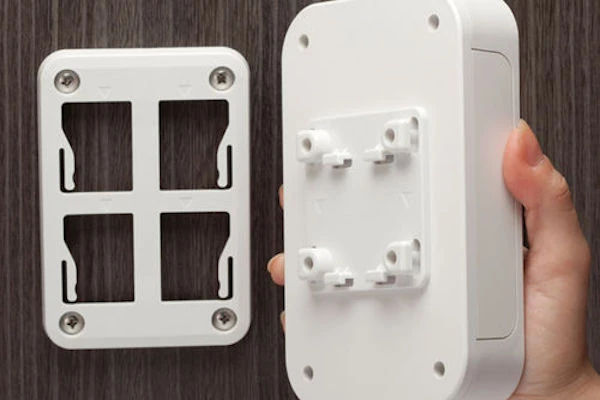
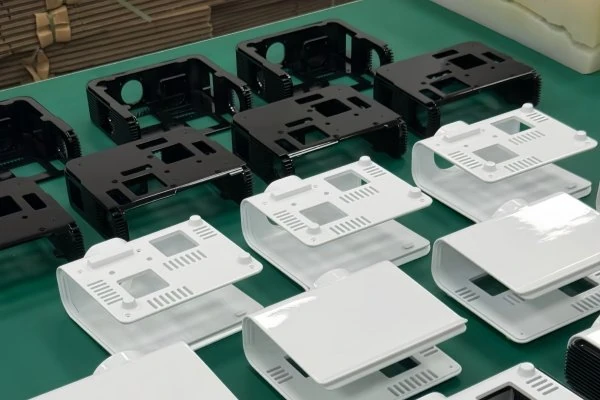
Accessory mounts, housings, grips and fastening details with the environment and handling conditions in view.
Application-led design · Material review · Sample approval
Outdoor components need a clear brief for exposure, handling and attachment. Review these conditions with the geometry and material grade instead of treating the outside shape as the complete requirement.
Define mounting points, fastening interfaces and the areas that meet the hand or equipment.
Describe sunlight, moisture, temperature and cleaning conditions for the intended use.

Explore typical component families and the interfaces to consider before tooling.
Review the item support, fixing points and handling details.
Define the grip regions and the intended material pairing.
Coordinate the fixing face and the connected equipment interface.
Connect the part geometry, selected resin and target quantity with the manufacturing services it needs.
Custom plastic parts built around your design. A connected route from material selection and production tooling to approved samples and repeatable supply.
Add grip, comfort or protection where it matters. Combine a rigid base with a carefully selected second material in one coordinated component design.
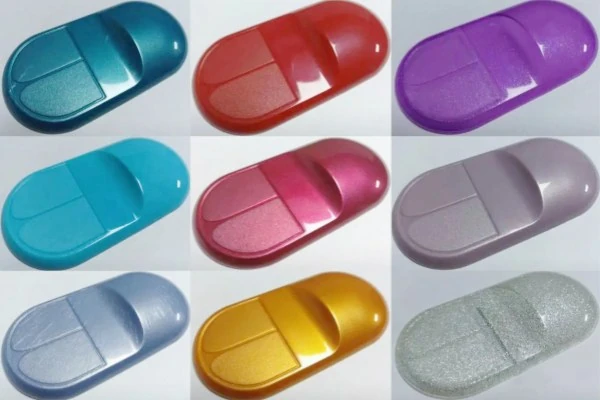
Give your plastic component its intended appearance. Coordinate selected surface treatments, color and marking with the resin, part design and final application.
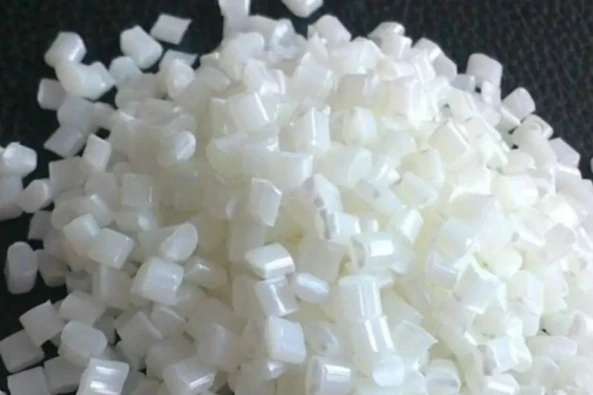
Use the application, environment and assembly requirements to compare candidate resins. Final grade selection follows the complete component brief.
ASA is considered for visible molded components where weather exposure and color appearance are important. Outdoor performance still needs to be matched to the actual grade and use conditions.
Polyamide materials are used for functional molded parts such as gears, brackets and connectors. The PA type, reinforcement and moisture condition need to be considered together.
Polypropylene is widely considered for lightweight cases, trays, caps and household parts. Homopolymer, copolymer and modified grades suit different stiffness and impact requirements.
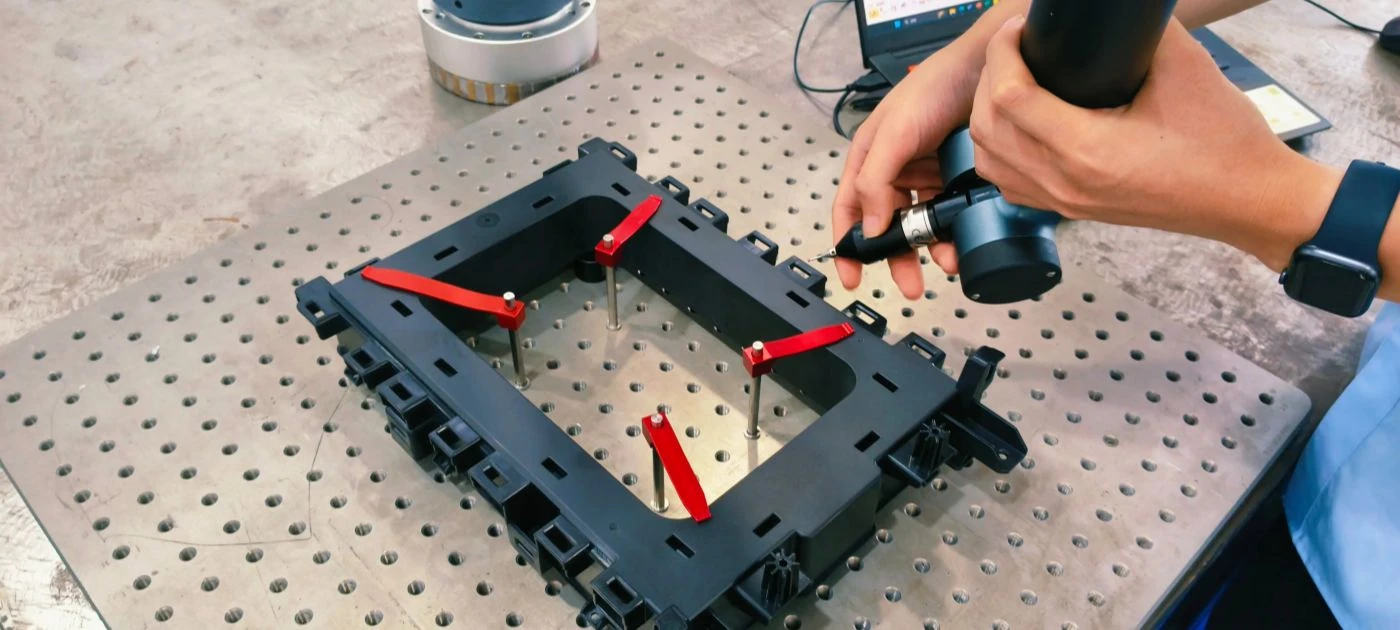
Use drawings, mating references and agreed acceptance points to review the component before regular production.
State the outdoor environment and intended use pattern.
Describe the fastening loads and required retention checks.
Review contact regions and mating parts on a complete sample.
A useful inspection plan follows the component through incoming material, production and final release. Define the checks around the features your product depends on.
Confirm the specified resin and the incoming requirements that matter to the component before production.
Review the agreed dimensions, molded features and visible surfaces during the production route.
Compare the finished parts with the drawing, approved sample and agreed inspection points before packing.
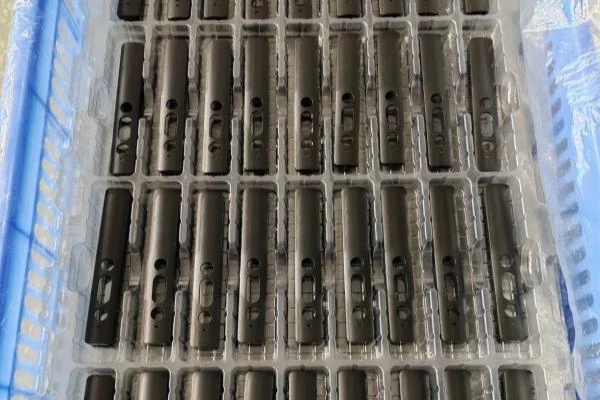
Surface finish, component geometry and the assembly destination all inform the packing brief.
Include packaging and delivery requirements in the project brief so the finished components reach the next stage ready for handling.
Protect exposed mounting features and group accessory components in a way that supports assembly.
Agree on part grouping, quantity per pack and any labeling or assembly-set requirements.
Share the destination, shipment quantity and handling needs so packing and dispatch can be coordinated.
Practical answers for planning custom outdoor sports components.
Share drawings or 3D files, the intended application, material preferences, target quantity and any required tests.
Accessory Mounts, Protective Housings, Grip & Carry Features, Assembly Details are typical component families. Suitability depends on the individual design and requirements.
Start with loads & attachment, the operating environment and the properties the component needs. Compare actual grades with the project requirements.
State the outdoor environment and intended use pattern. Review contact regions and mating parts on a complete sample.
Protect exposed mounting features and group accessory components in a way that supports assembly. Include destination, quantity per pack and any identification requirements in the brief.
Share the drawing, intended use, material preferences and target quantity. Include the features or tests that matter most to the finished assembly.
Linqing Haixiang Plastic Products Co., Ltd.
Linqing City, Shandong Province, China