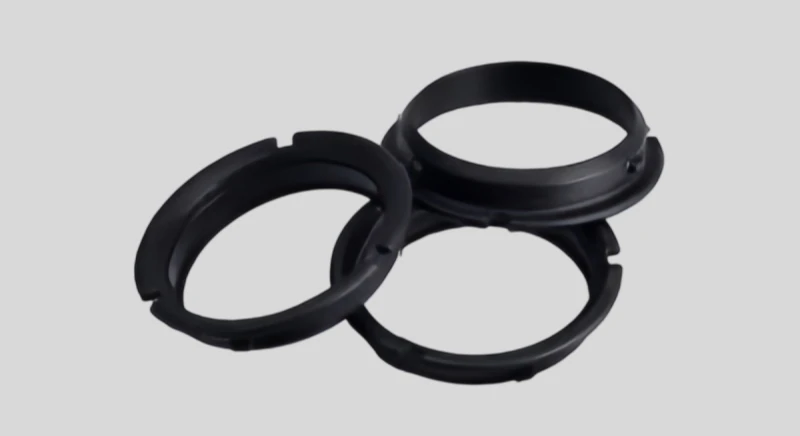
Precision parts. Reliable partnerships. Global possibilities.
PRECISION PLASTIC PARTS & REPEAT PRODUCTION

Plastic Injection Molding

Custom plastic parts built around your design. A connected route from material selection and production tooling to approved samples and repeatable supply.

Repeatable Quality

Agreed inspection points

Material Choice

Resin matched to your part

Production Ready

From samples to supply

Precision Mold CNC Machining manufacturer
OVERVIEW

What Is Plastic Injection Molding?

Plastic injection molding brings a part design, material selection and production tooling together in one controlled process. Haixiang works from your drawings and application requirements to plan the mold, sample the component and prepare a repeatable production route.

Tooling planned around part geometry and use

Material choices reviewed for function and finish

Samples checked before repeat production

DFM for plastic injection molding
EXPLORE THE POSSIBILITIES

From Everyday Housings to Functional Parts

Match the part design to its job, from the visible exterior to the features that hold an assembly together.

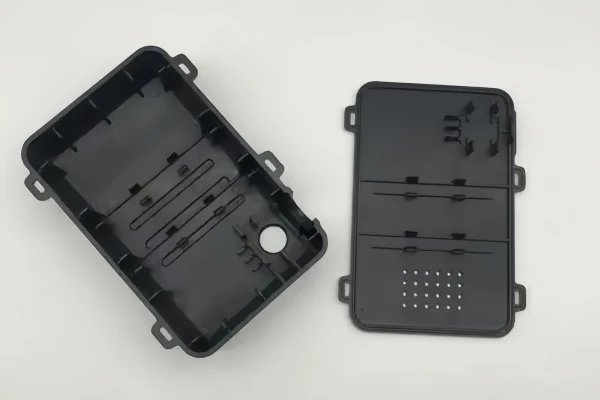
plastic enclosure with snap fit design
01 / CUSTOM HOUSINGS

Protect what goes inside.

Plan access, ventilation and internal mounting points as part of the enclosure design.

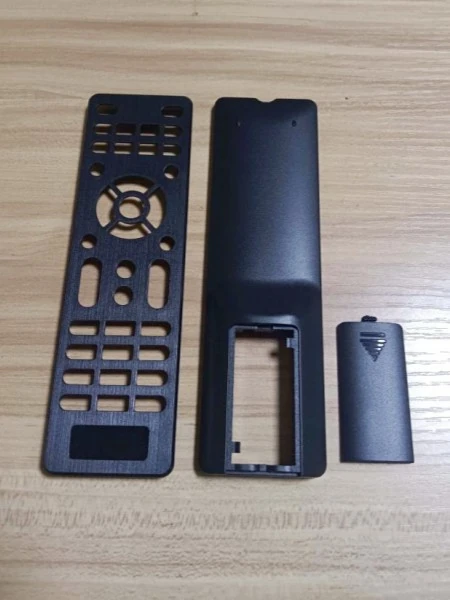
Injection Molded Remote Control Casings
02 / VISIBLE COMPONENTS

Make the finish part of the design.

Review color, texture and cosmetic faces alongside the resin and tool concept.

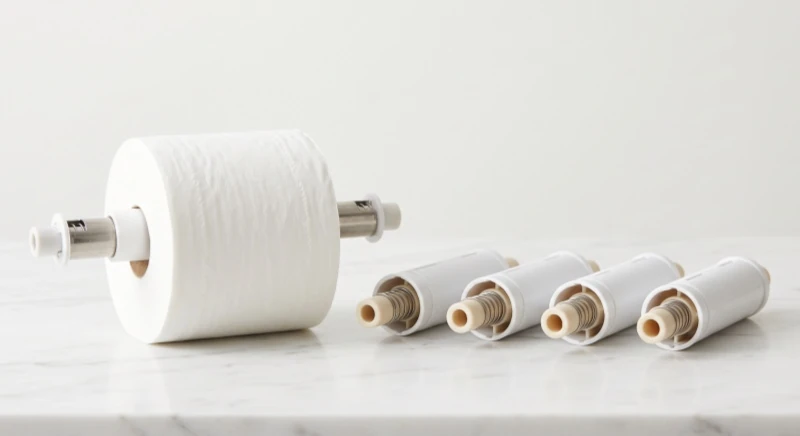
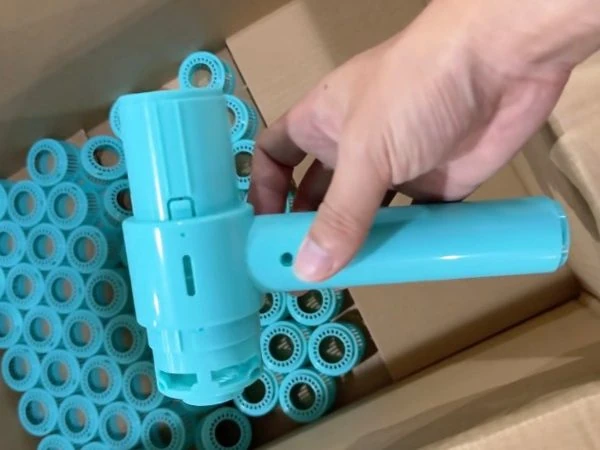
plastic Spring loaded Toilet Paper Rollers POM injection molding
03 / FUNCTIONAL DETAILS

Build around the assembly.

Discuss fit, wear and the dimensions that matter to the final product.

DFM for plastic injection molding
01 / PART DESIGN

Design the housing as a complete component.

Injection molding works best when the outside shape and internal features are developed together. Bring assembly references into the drawing review so the tool is planned around how the component will be used.

Walls and transitions

Review wall sections, corners and local changes in thickness alongside the selected resin. A considered layout helps address filling, cooling and the appearance of visible faces.

Ribs, bosses and openings

Plan internal supports, mounting locations and access openings as part of the housing. Identify the dimensions that locate boards, connectors and mating components.

Release and cosmetic faces

Discuss draft, parting lines and tool access before finalizing the design. Mark the exterior surfaces where gate, ejection or joining details need particular attention.

02 / TOOLING & PROCESS

Connect the mold concept to the production brief.

Part geometry, resin and expected quantity guide the tooling discussion. Review these inputs together rather than treating the tool as a separate decision after the drawing is complete.

Material and filling

Share the operating conditions and preferred grade so the resin and part geometry can be assessed together. Gate positions and flow paths should support the important features.

Cooling and part removal

Consider cooling, release and handling within the mold concept. The goal is a route that produces the required geometry and allows the part to be removed consistently.

Quantity and cavity planning

Discuss order size and expected repeat demand before selecting a cavity approach. Tool complexity, production needs and inspection requirements belong in the same review.

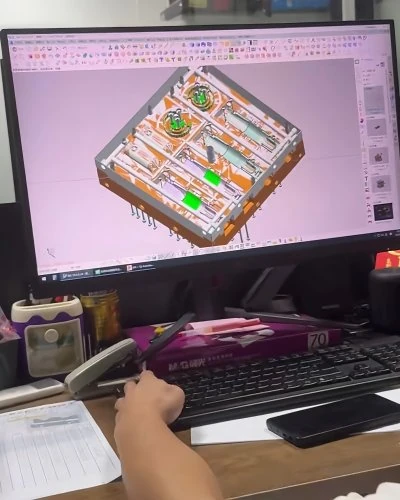
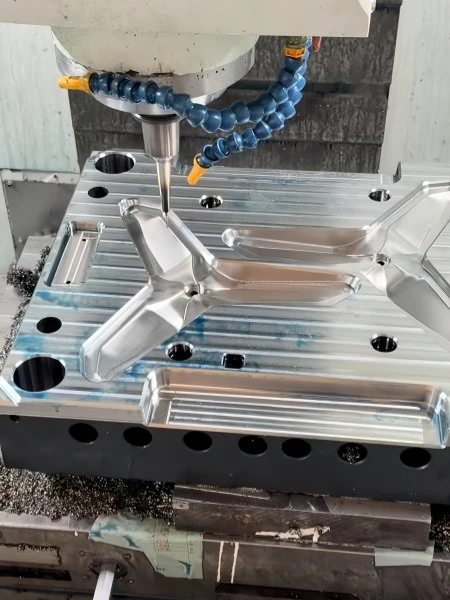
Precision Mold CNC Machining manufacturer
high quality low volume plastic parts
03 / SAMPLES & PRODUCTION

Use first parts to confirm the important details.

A trial sample connects the drawing to a physical component. Define the approval checks before sampling so dimensions, assembly and appearance can be reviewed against a shared reference.

Assembly fit

Check the housing with its mating parts or assembly references. Confirm fastening points, openings and clearances rather than relying on the external shape alone.

Appearance reference

Agree on the resin color, texture and relevant cosmetic faces. Record any marking or secondary finishing requirements alongside the approved sample.

Repeat-production checks

Identify the dimensions and appearance points that need ongoing attention. Confirm packing and labeling requirements for the next stage of your assembly process.

KEY ADVANTAGES

Why Choose Plastic Injection Molding?

Repeatable Parts

A controlled route for consistent components.

Material Options

Resins selected for function and finish.

Volume Efficiency

Tooling planned around production demand.

Design Flexibility

Detailed features and assembly geometry.

APPLICATIONS

Ideal for Multiple Industries

From product development to practical applications, plastic injection molding supports a range of project needs across industries.

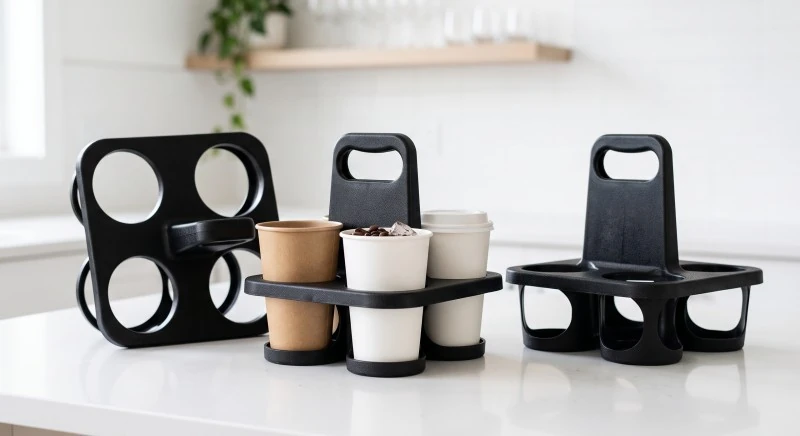
Plastic 4 cup takeout carrier

Packaging

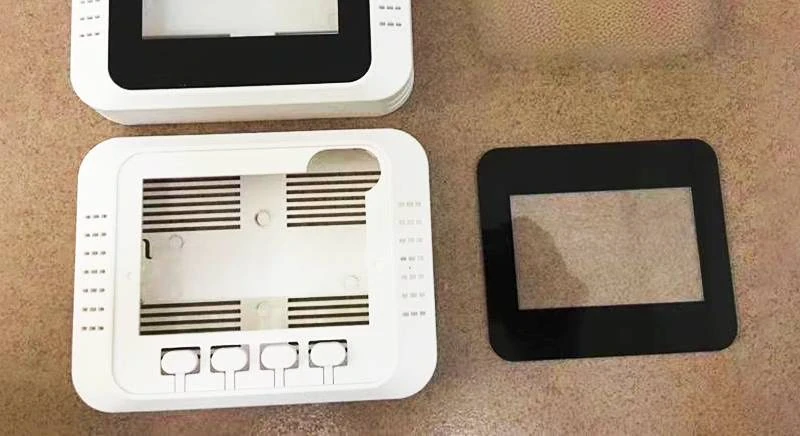
Plastic Wireless Access Point Enclosure

Consumer Electronics

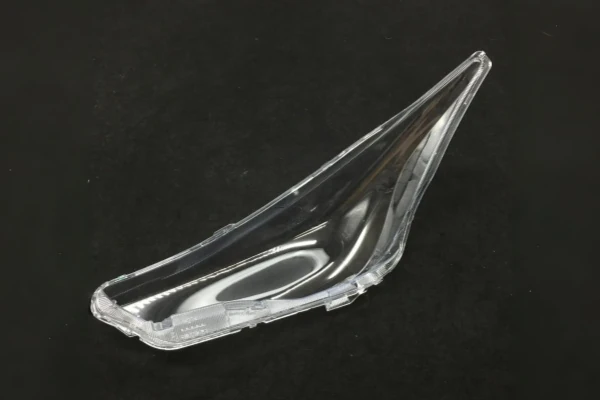
Plastic Automotive Headlight Lenses

Automotive

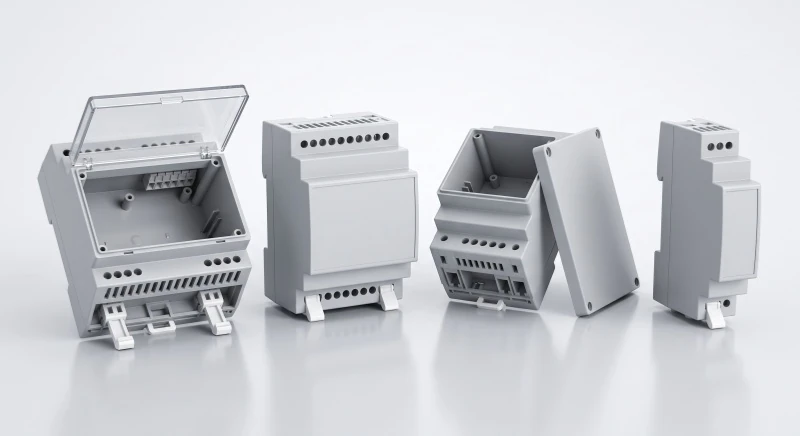
Plastic Injection Molded DIN Rail Enclosures

Industrial

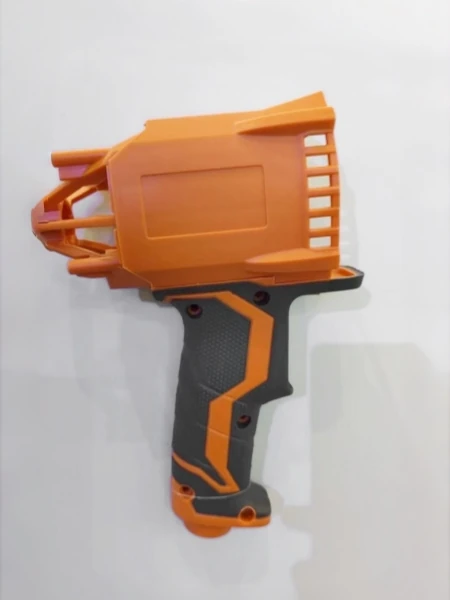
Orange and black overmolded tool housing

Power Tools

Injection molded hairdryer housings rotated

Home Appliances

OUR PROCESS

How We Deliver Your Parts

01

Send Your Design

Confirm geometry, application, target quantity and visual requirements.

02

Tooling & Sampling

Discuss resin behavior, mold construction and production needs.

03

Mold Your Parts

Review sample fit, appearance and function against the drawing.

04

Inspection & Delivery

Run the approved process and inspect agreed part features.

MATERIALS & PROPERTIES

Available Materials & Key Properties

Discuss material options to match your performance, appearance and application needs. Final suitability follows project review.

DFM for plastic injection molding
Material Type
Key Properties
Typical Applications
ABS

Balanced rigidity and surface finish

Product housings

PC

Impact resistance and clarity options

Protective covers

PC/ABS

Balance of toughness and processability

Equipment enclosures

PP

Low weight and chemical resistance

Functional components

PA (Nylon)

Strength and wear resistance

Mechanical components

Precision Mold CNC Machining manufacturer
DESIGN & SAMPLE GUIDE

A Better Part Starts with a Clear Drawing.

Bring the design, material and production brief together before tooling begins.

01

Identify critical features

Mark assembly faces, mounting points and the dimensions that need particular attention.

02

Define material and appearance

Share the operating conditions, preferred resin and any visual finish references.

03

Review the first samples

Check fit, appearance and the agreed dimensions before confirming repeat production.

PLAN YOUR PROJECT

Plan the molding route around your component.

A useful project brief brings the drawing, material and expected demand together. These four inputs help turn a concept into a defined molding discussion.

Part drawing

Geometry and assembly references

2D/3D files, mating parts and critical dimensions

Resin selection

Application-led material choice

Operating conditions, preferred grade and appearance

Tool concept

A route matched to the production brief

Cavity approach, release and expected quantities

Sample approval

A shared reference for repeat production

Fit, dimensions, surface finish and inspection points

Send your drawing, intended application, target quantity and any material, appearance or inspection requirements. The project review connects these inputs with a suitable production and sample-approval route.

FAQ

Frequently Asked Questions

Quick answers to common questions about our plastic injection molding service.

What do you need to review a molding project?

A 2D or 3D drawing, intended material, target quantity, application and any fit or appearance requirements are a useful starting point.

Yes. Share the operating conditions and the performance you need, and we can review suitable resin options against the part design.

Mold manufacturing is one of the listed services, so tooling and part production can be reviewed together.

Samples can be checked for the agreed dimensions, appearance and assembly fit before the production route is confirmed.

You can start a discussion with your current concept, but a reliable production quotation needs sufficient part and quantity details.

START A CONVERSATION

Have a part in mind? Let's review it.

Share your drawings, material preference, estimated quantity and project goals. We will review the requirements with you.

Top